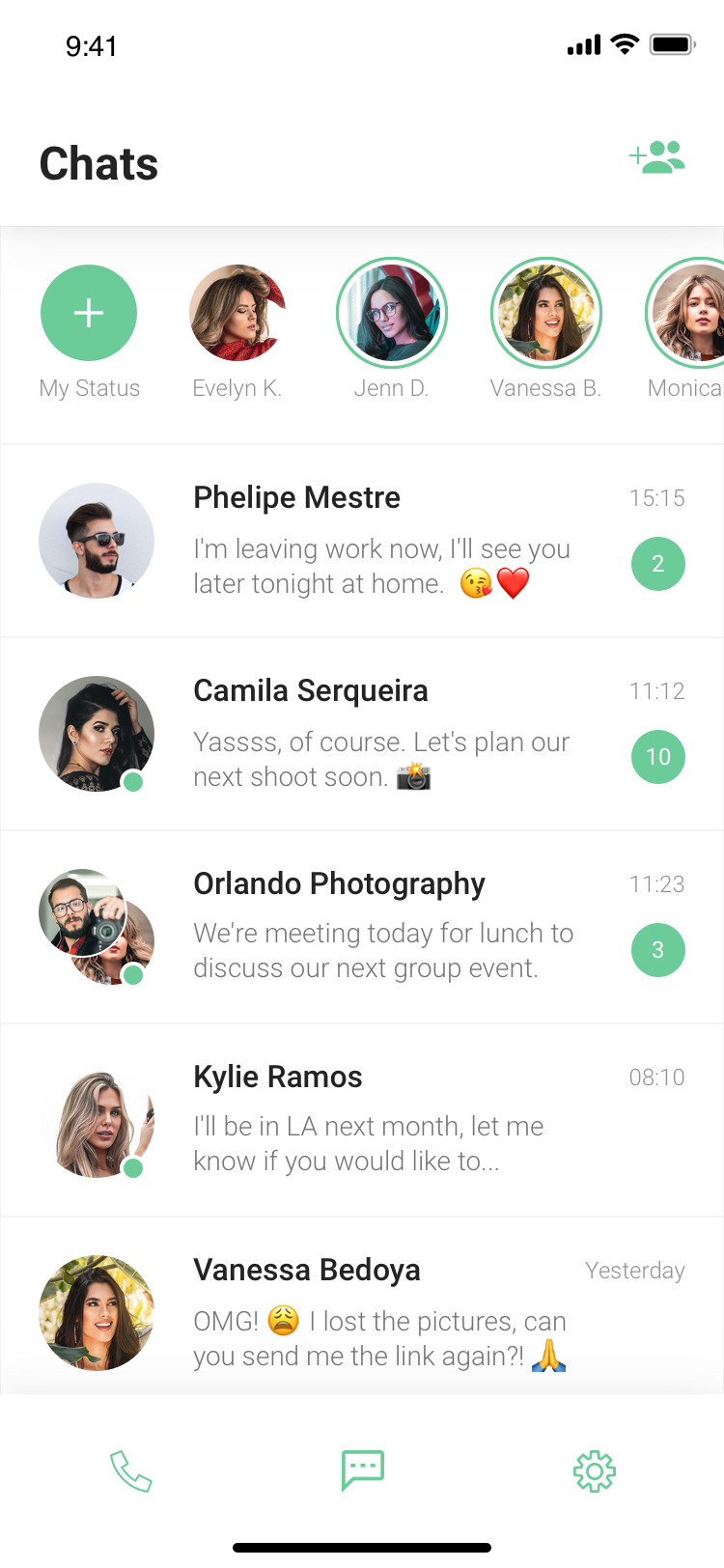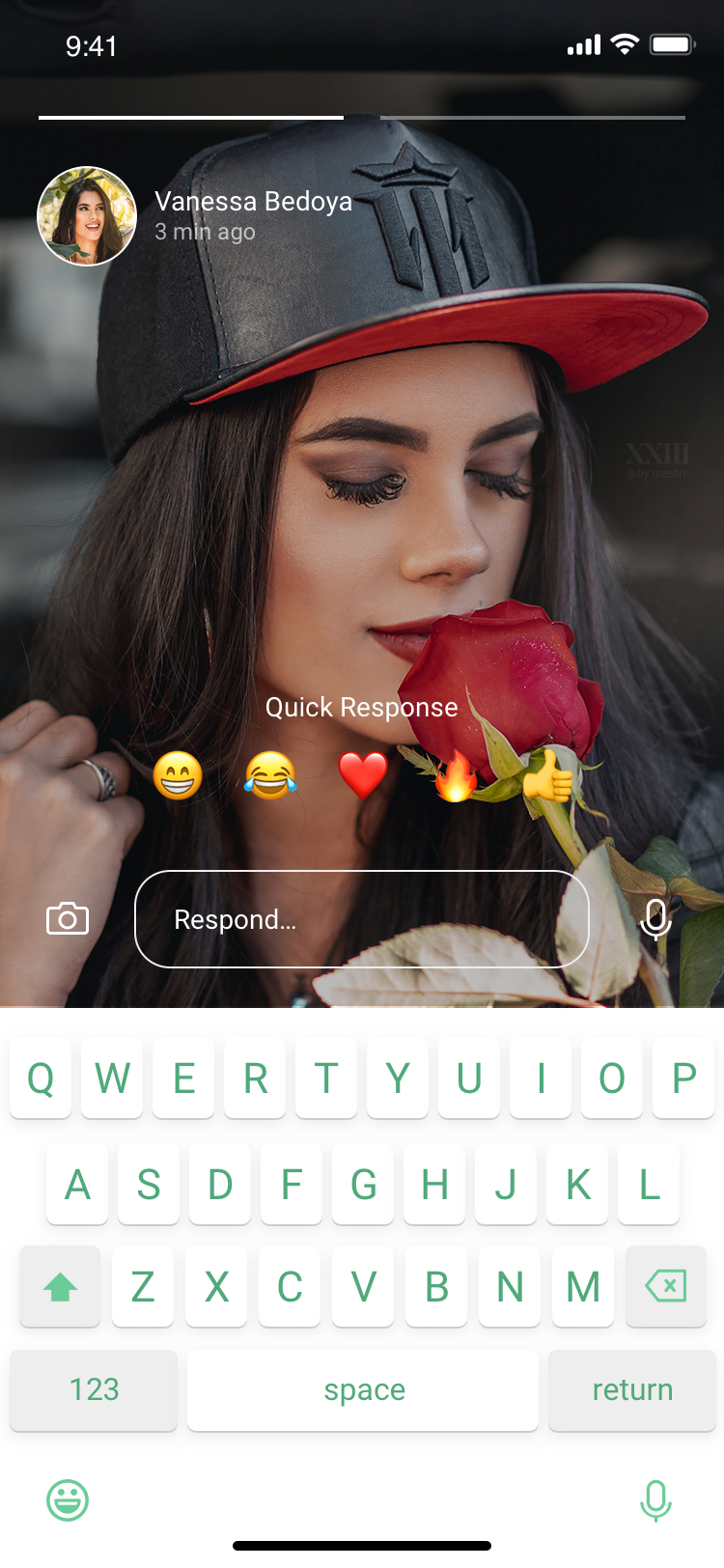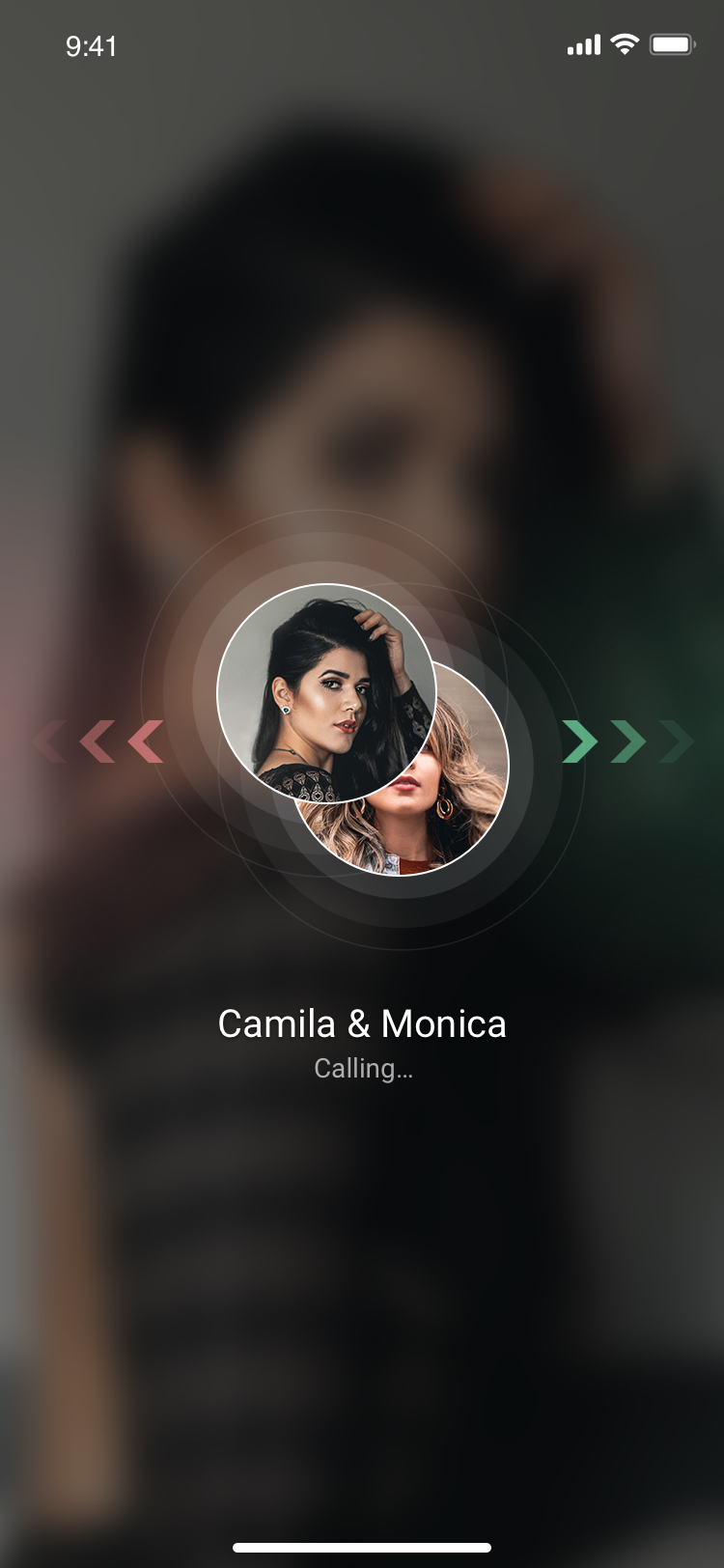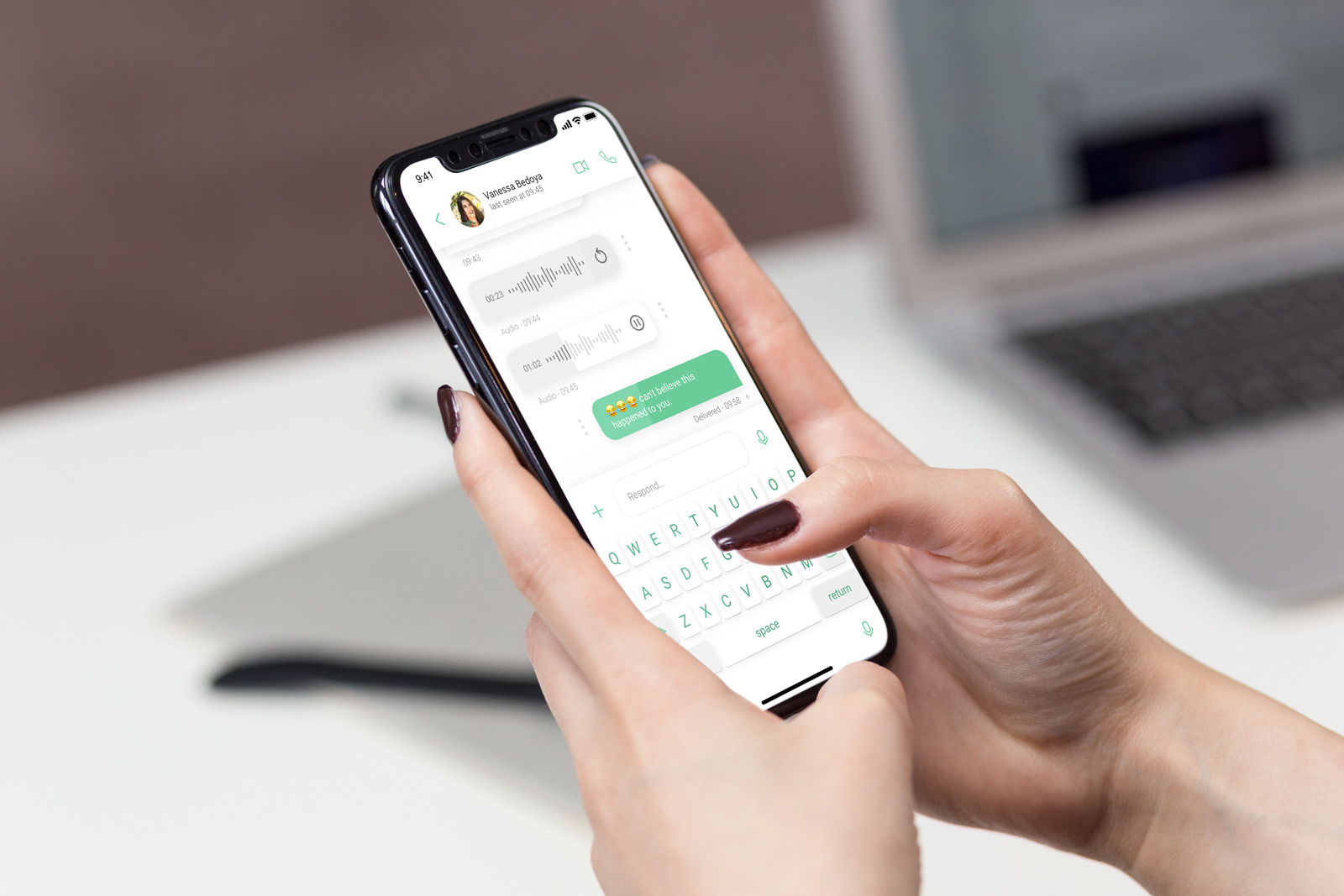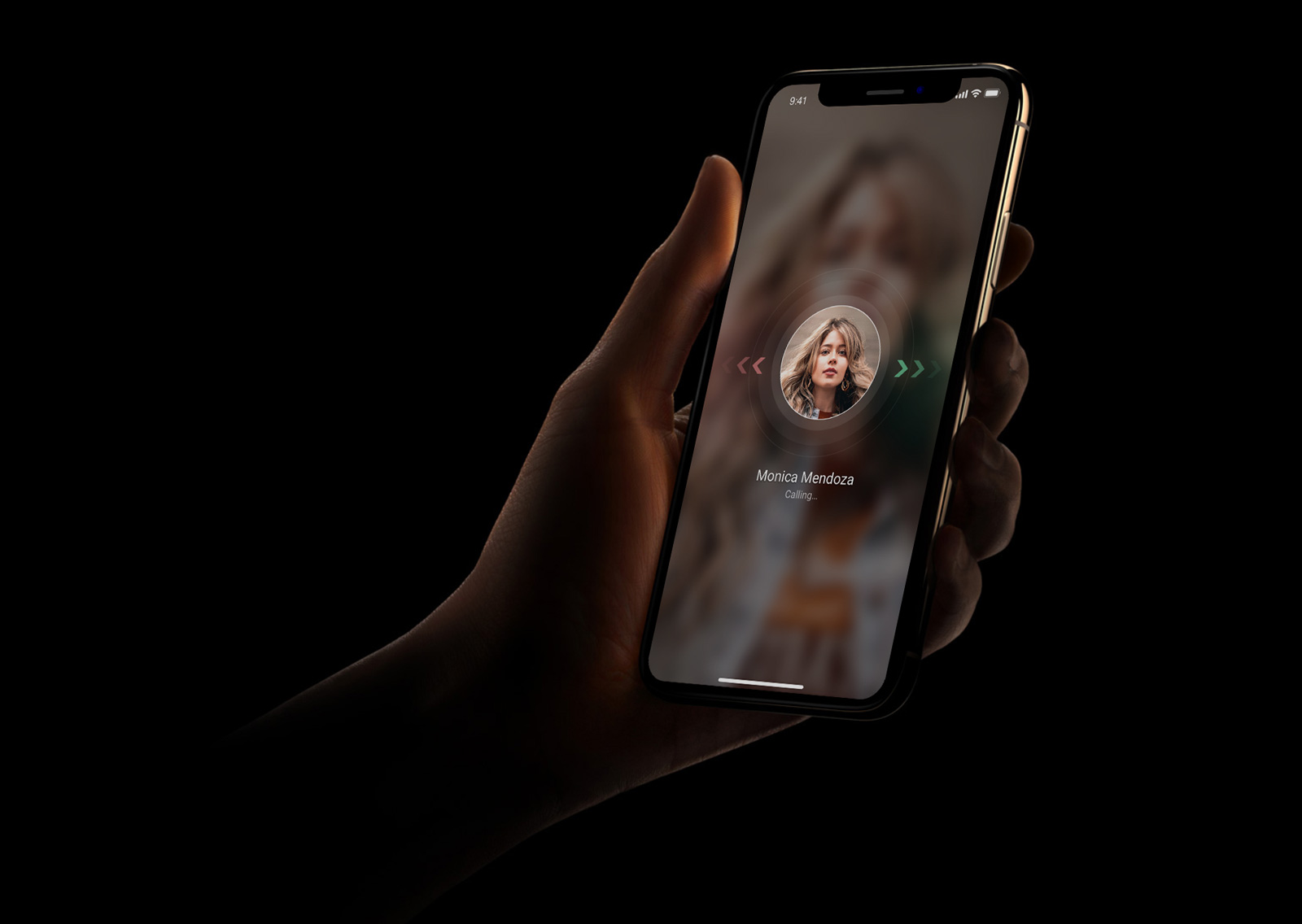

WhatsAppMobile Redesign
My Role
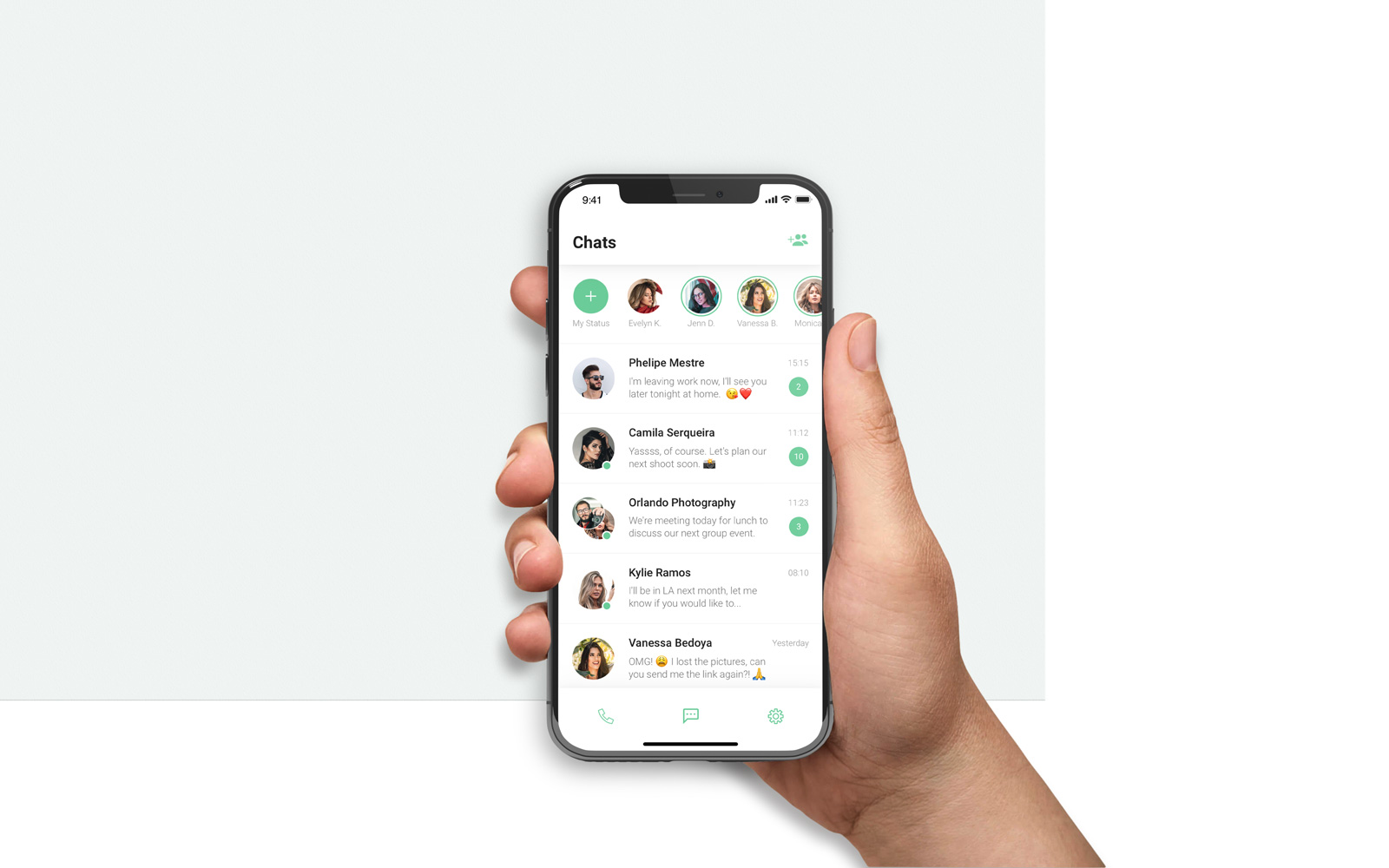
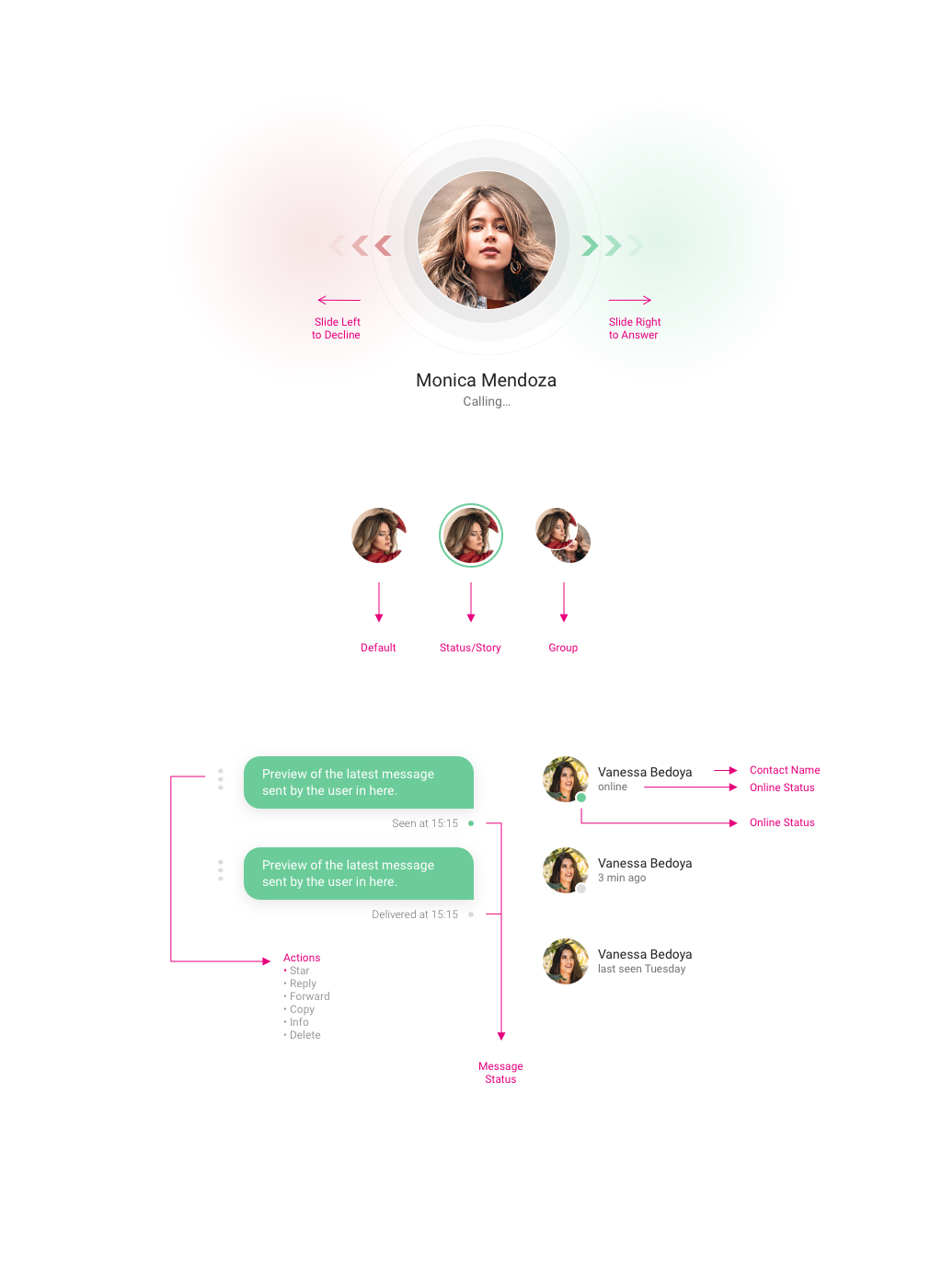
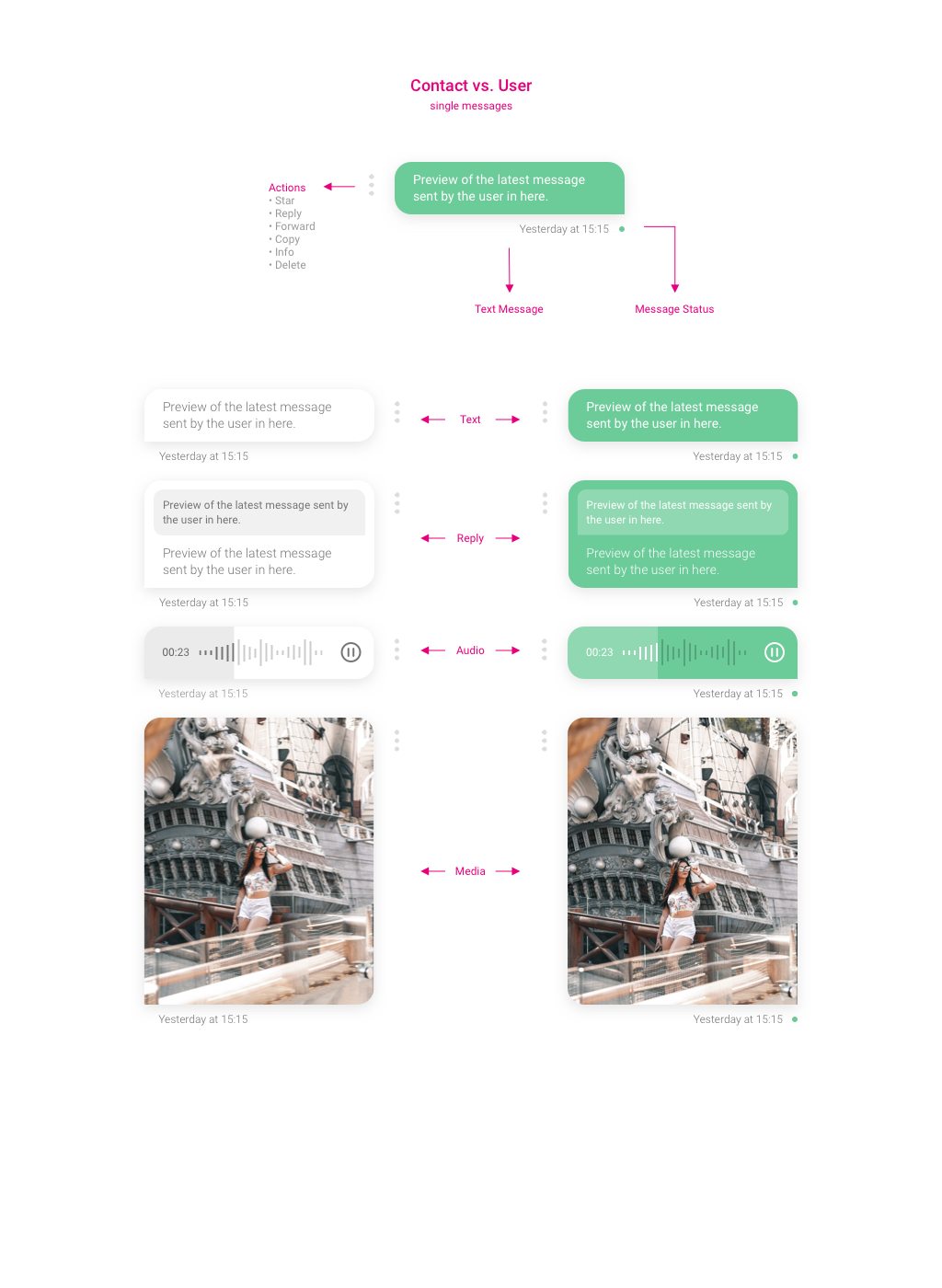
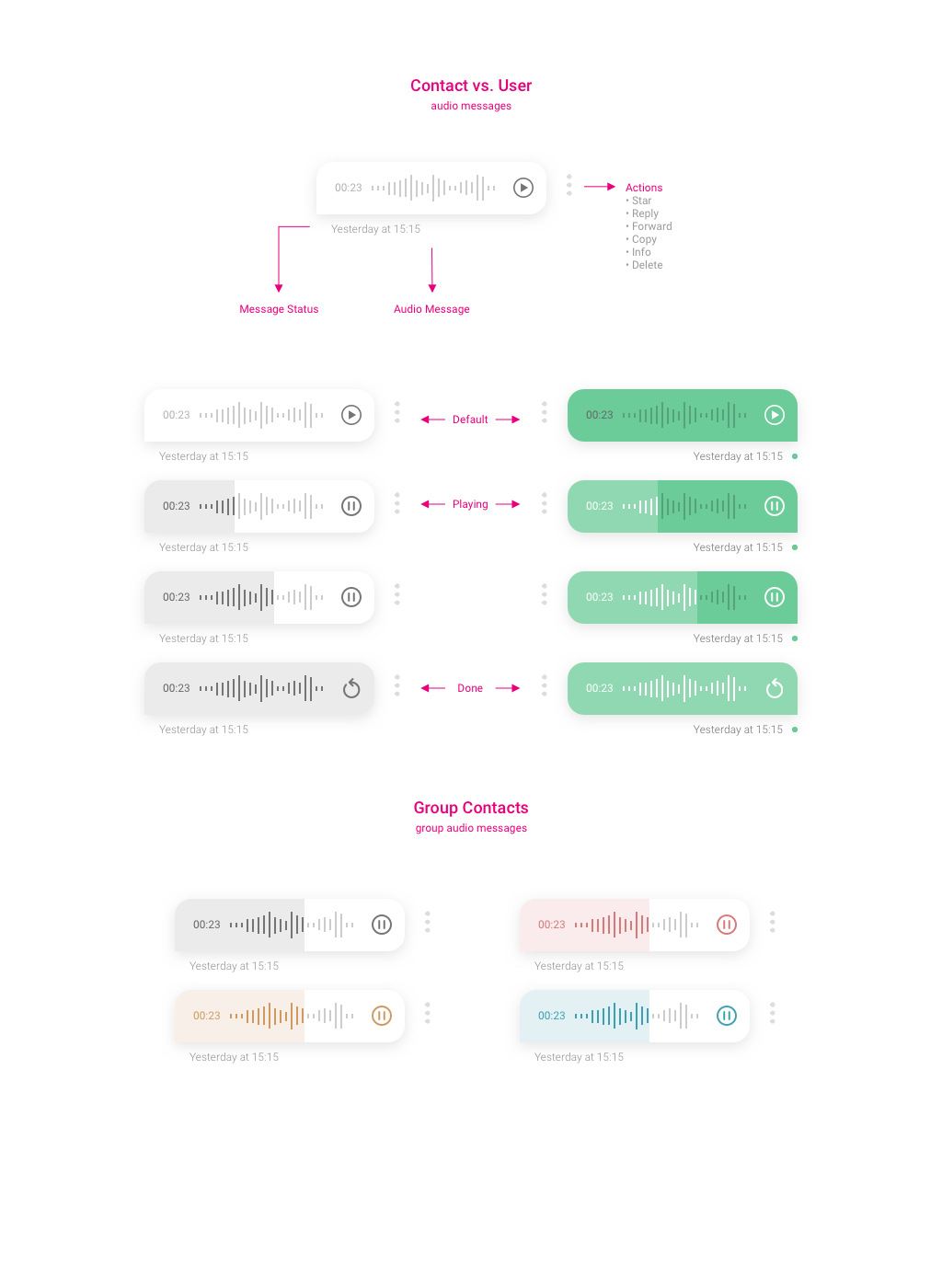
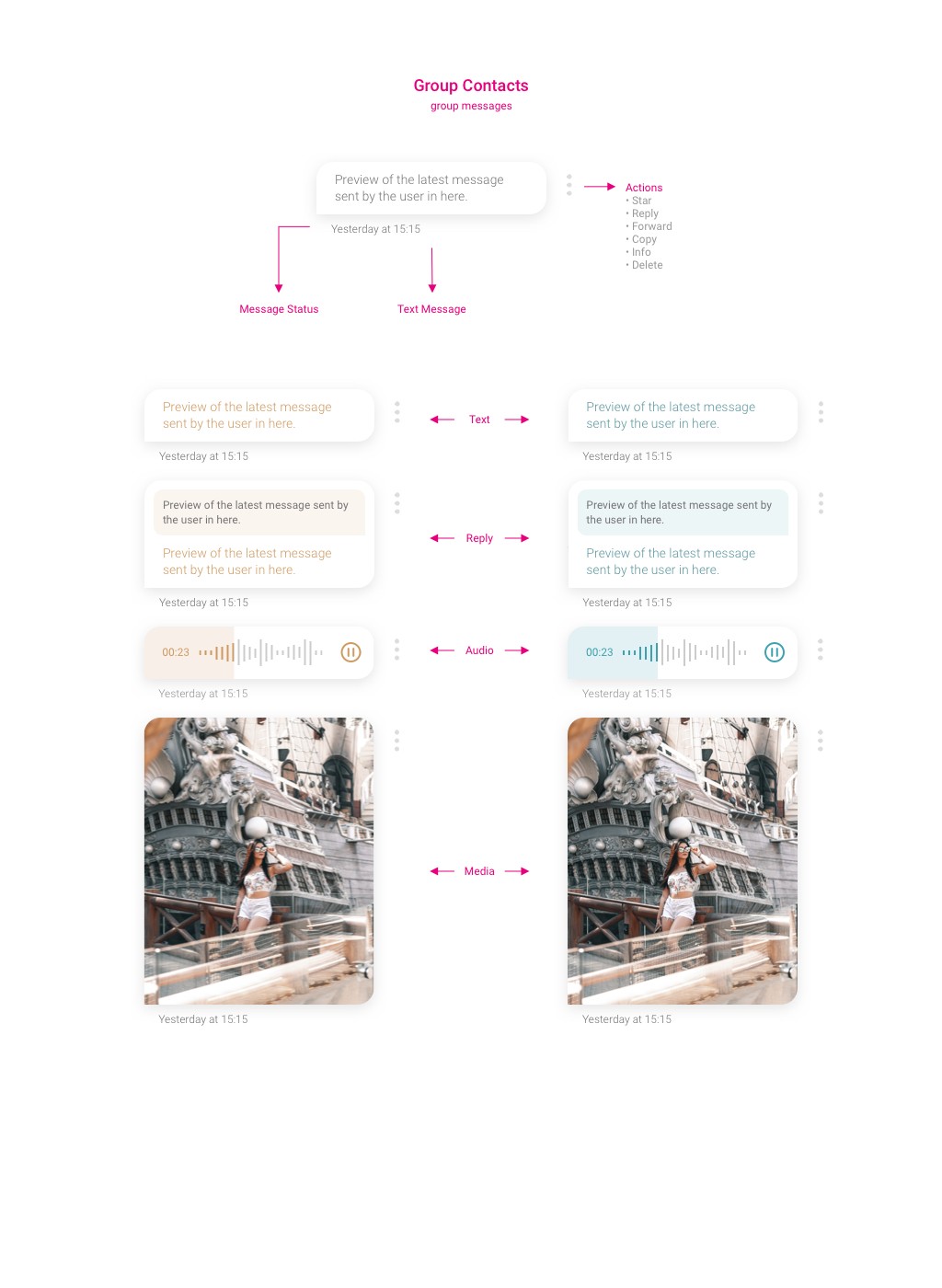
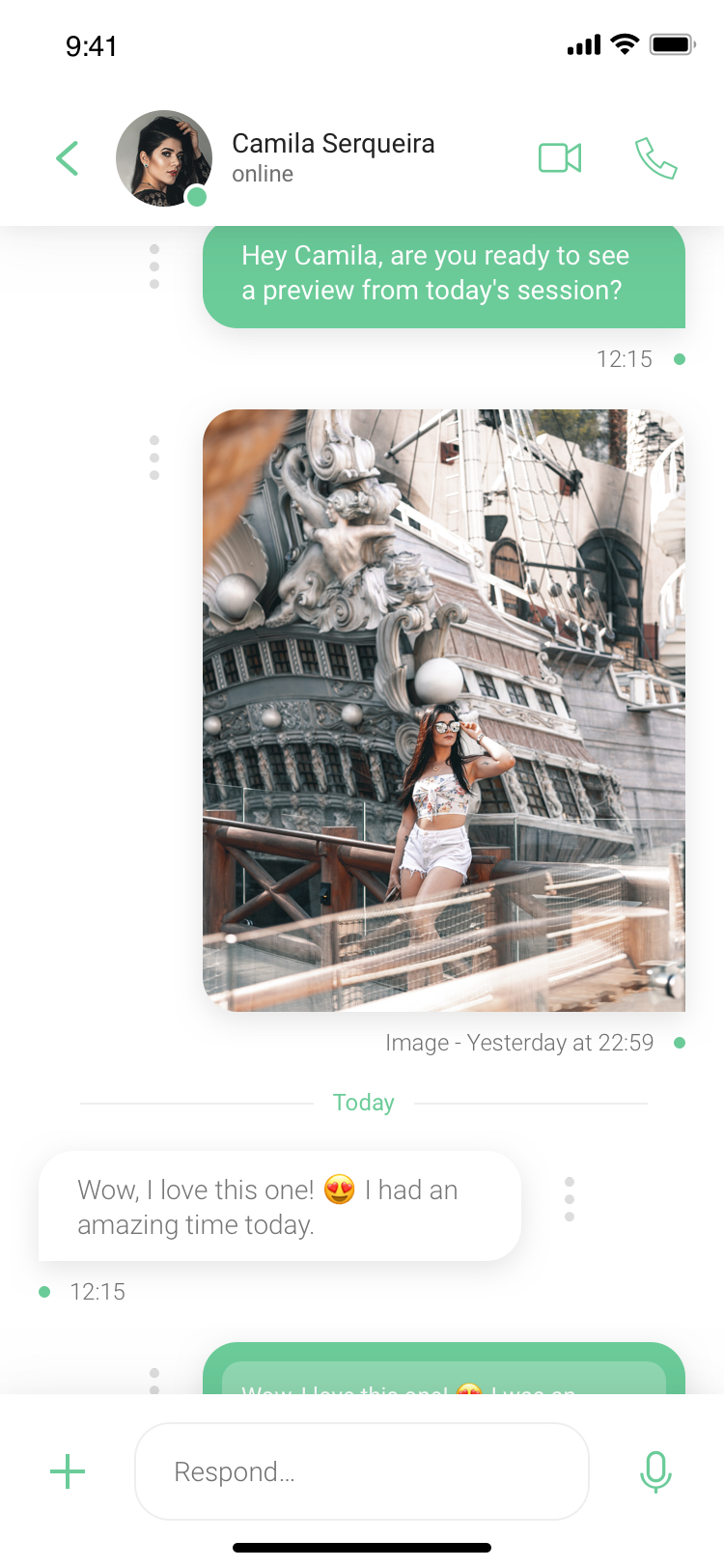
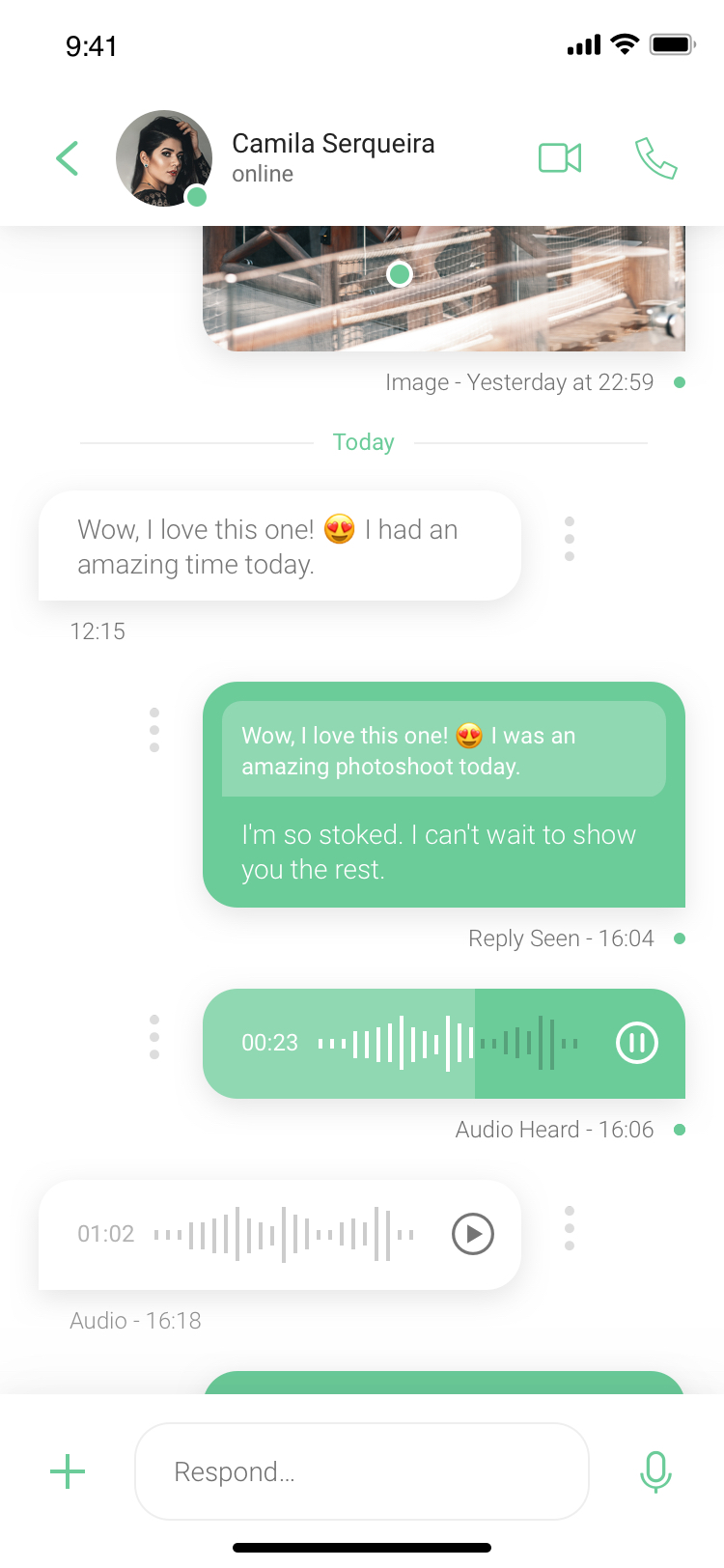
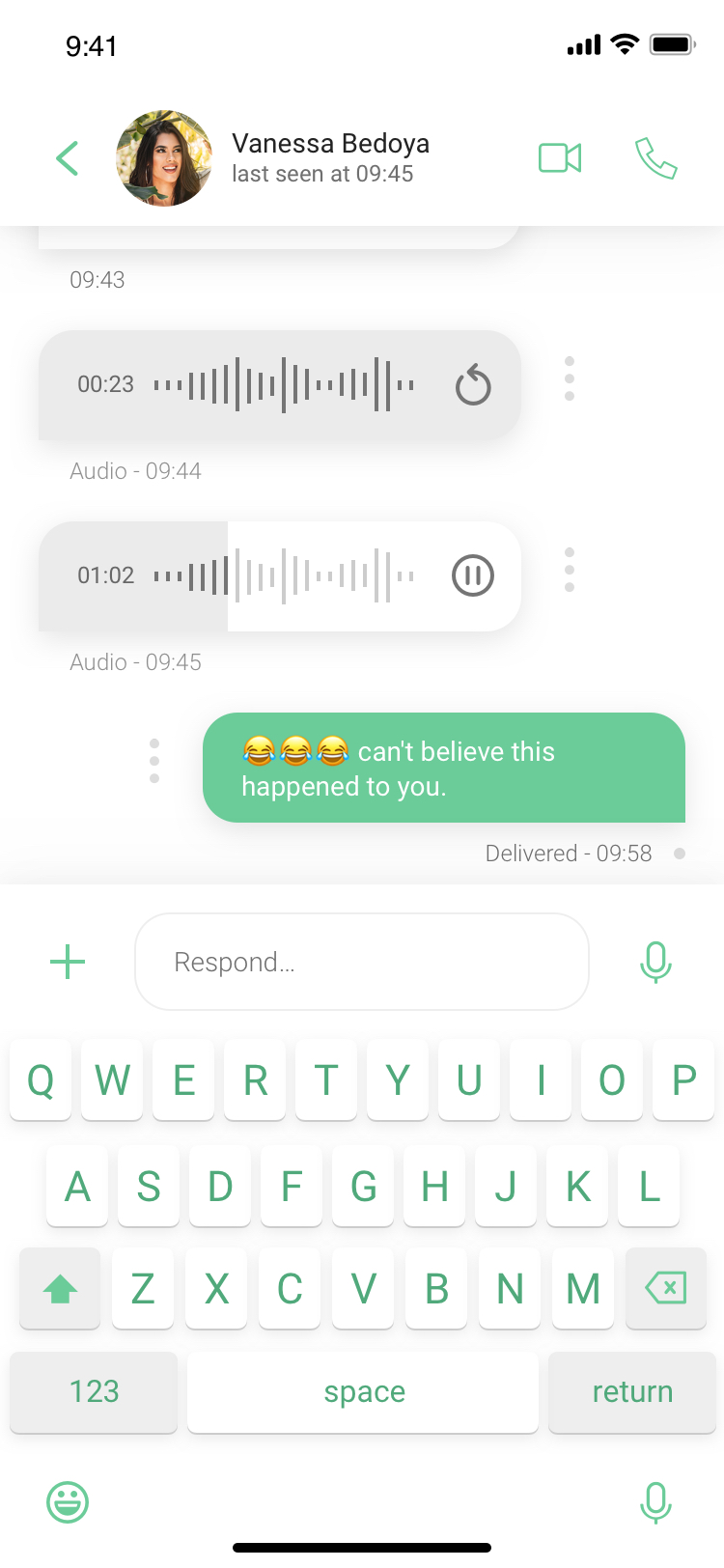
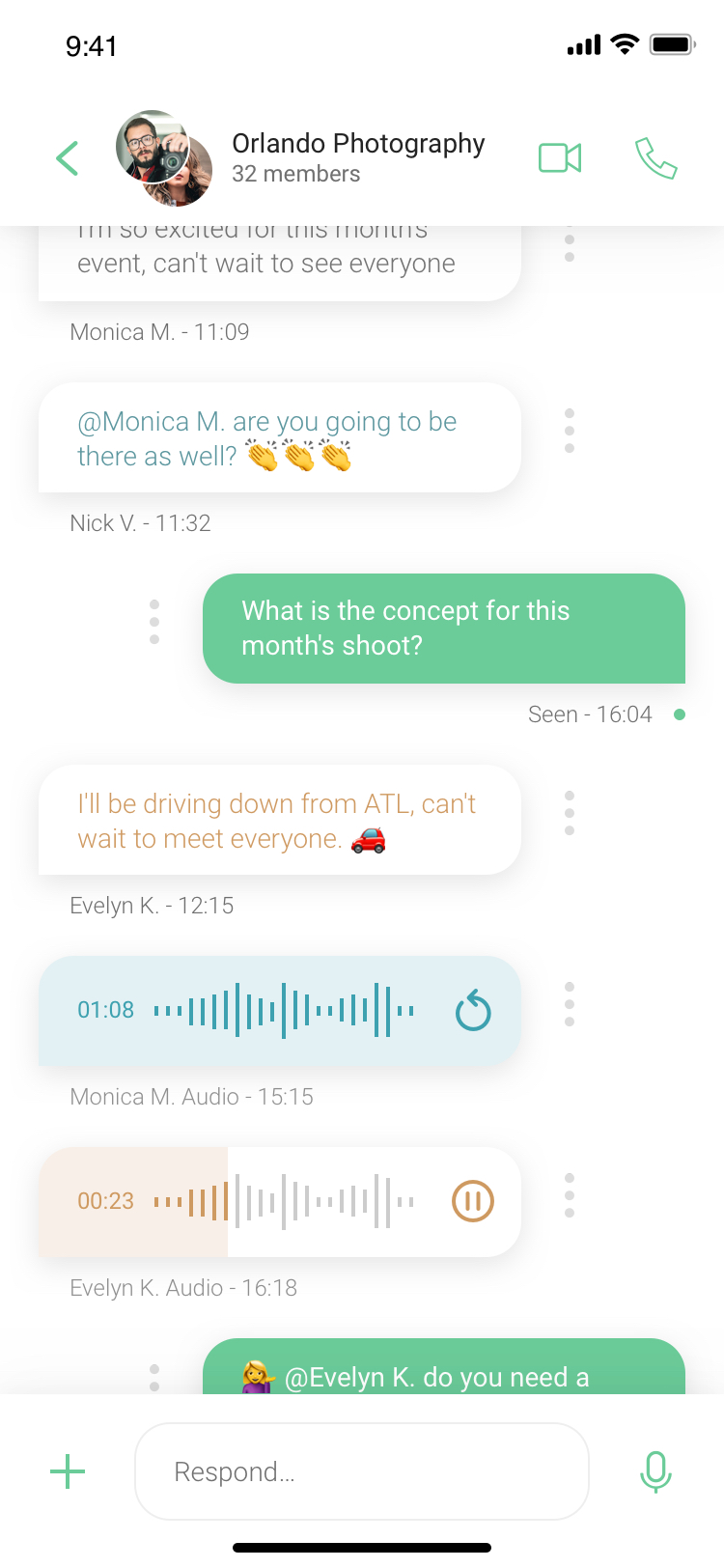
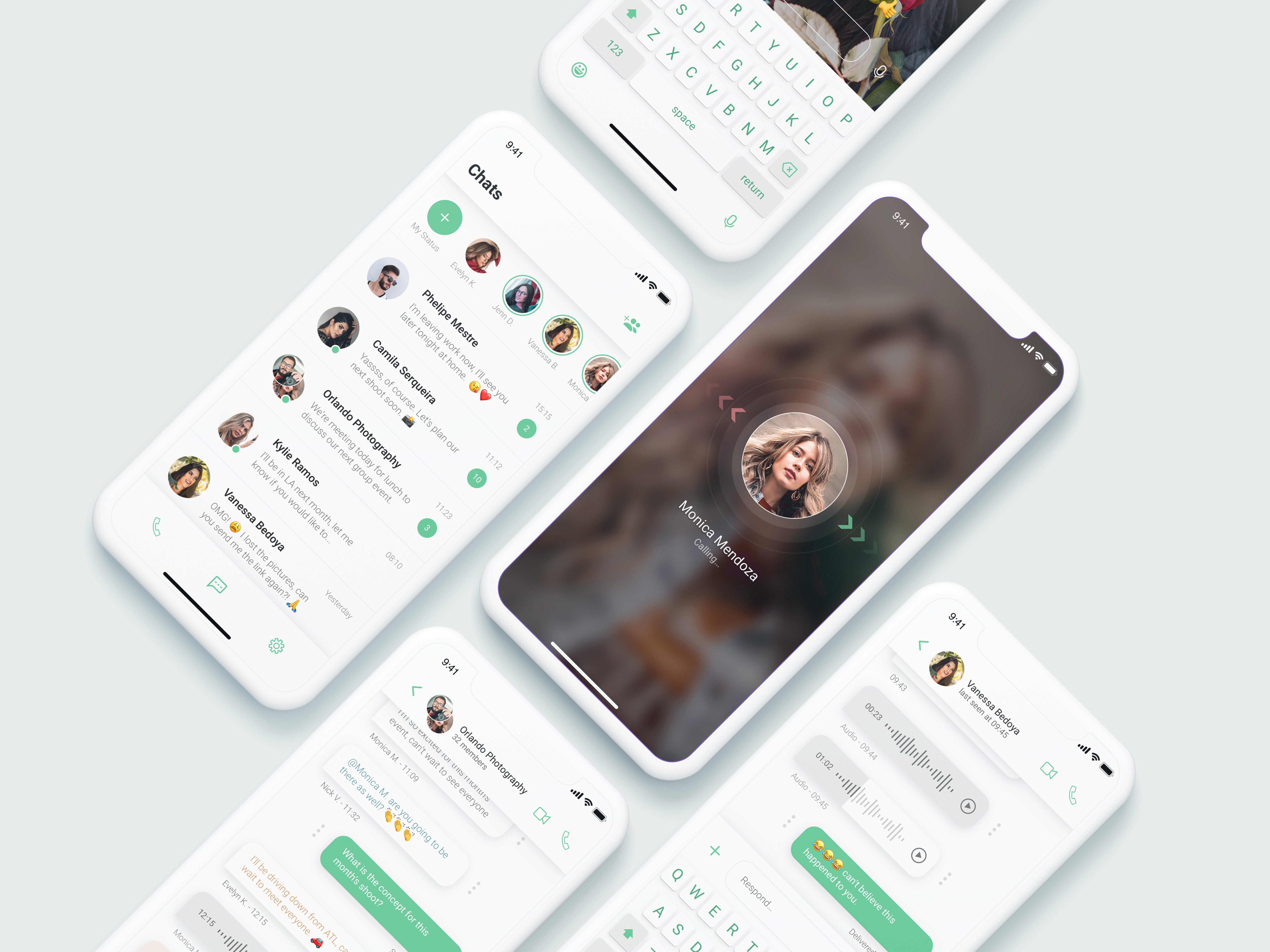
As Conceptual Designer, I defined a unified interaction model for WhatsApp that consolidates shared functionality across Facebook's app ecosystem — reducing cross-app friction without collapsing what makes each product distinct.
Self-initiated design exploration grounded in daily use — focused on structural UX improvements with measurable friction reduction, not surface-level visual updates.
Design Challenges
WhatsApp operates within a product portfolio — Facebook, Instagram, Messenger — with significant feature overlap and no unified experience layer. Users manage three separate apps for functionally related communication and social needs. That fragmentation is a product architecture problem.
I focused on one question: what does a unified interaction model look like across Facebook, Instagram, and WhatsApp? What's shared, what's distinct, and what's the minimum viable integration that removes friction without forcing consolidation where users don't want it?
Conclusion
Impact: A 4-day exploration that pressure-tested a real product direction question: is a unified interaction model across Facebook's messaging ecosystem desirable? The answer is yes — with defined boundaries. The exploration identified which features unify well, which create confusion when merged, and what the structural design constraints of cross-app consolidation actually are. A foundation for AI-driven unified messaging and context-aware communication surfaces.