

NCR UI LibraryDesign System
My Role
As Lead Designer, I defined the design language, system architecture, and governance model for the NUI Library, NCR's shared design foundation serving as the single source of truth across the company's entire software portfolio. My mandate: eliminate design fragmentation across a product ecosystem that had grown through years of acquisitions with no shared system.
I owned the official NUI Color System, designed and documented Custom Components extending Google Material, and led the NUI Doc Site, the canonical hub that made system adoption accessible to designers and engineers across every product line in the portfolio.

The Component Library
NUI Library is NCR's internal component-based design system, built on Google Material, extended with custom components, and governed as shared infrastructure across the product portfolio. Teams use it for rapid prototyping through production-ready implementation:
- Responsive and accessible
- Extensible and flexible
- Modern
- Cross-platform
- Customizable
Beyond the Material core, teams contribute custom components through a governed plug-in model, extending system value without introducing fragmentation. Every contribution goes through a review process that ensures cross-product consistency before adoption.
Design Challenges and Exploration
NCR's acquisition history left a fragmented product ecosystem, dozens of software products with no shared design language. I led the initiative to solve this at the system level, not the screen level. NUI Library became NCR's internal design infrastructure: a governed, extensible framework that enforced cross-product consistency while preserving team autonomy. Products built on NUI inherit quality by default, no bespoke design decisions required.


Data Viz
Data visualization was a system gap every product team was solving independently. I closed it, designing chart and graph components on Charts.js as governed, reusable patterns with defined interaction standards. Teams stopped building bespoke solutions. The system got more valuable with each adoption.
Design and Exploration using Charts.js for Data Visualization components.


The Color Spectrum
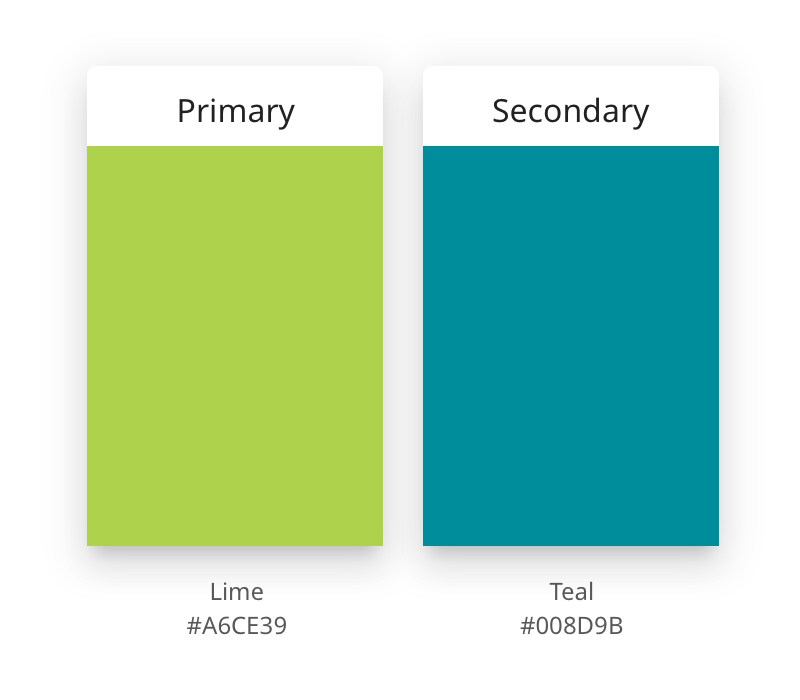
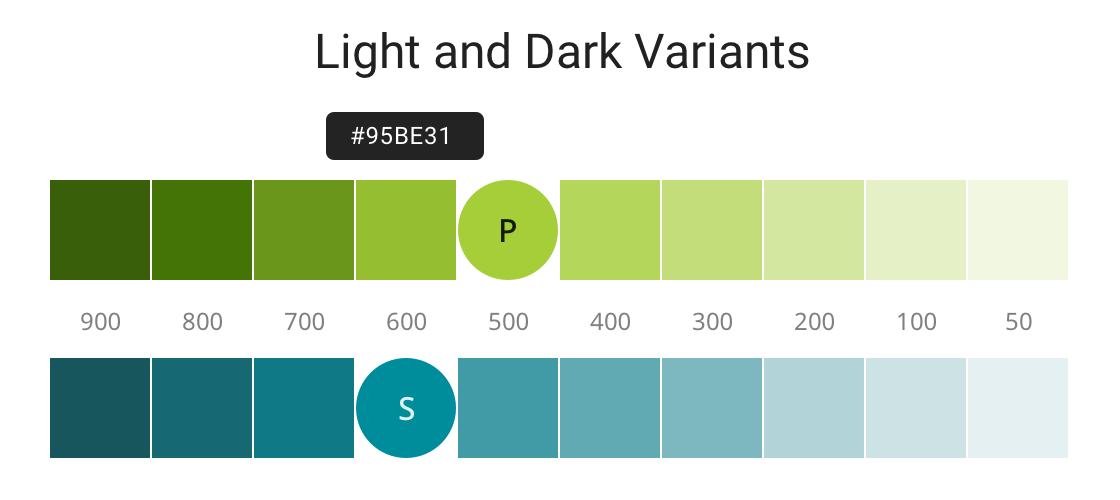
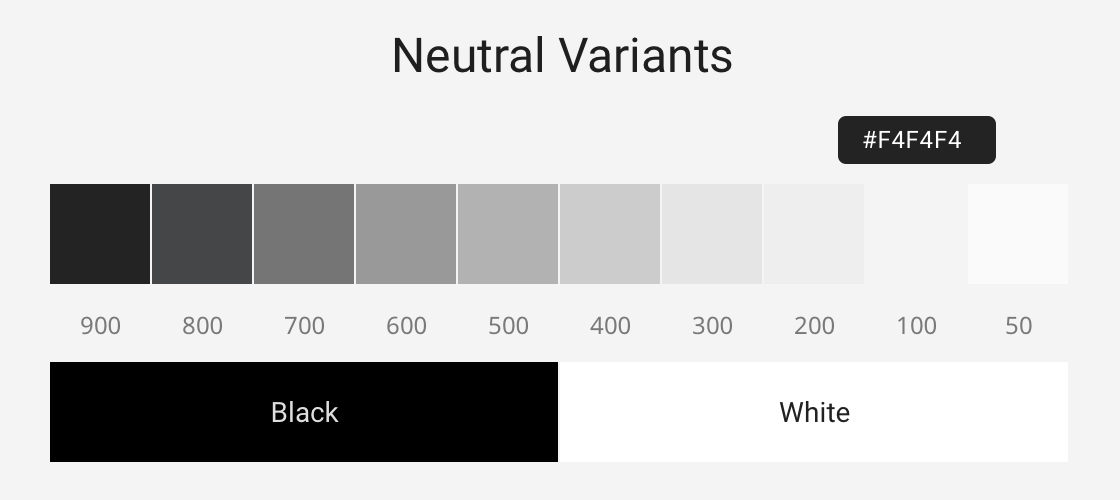
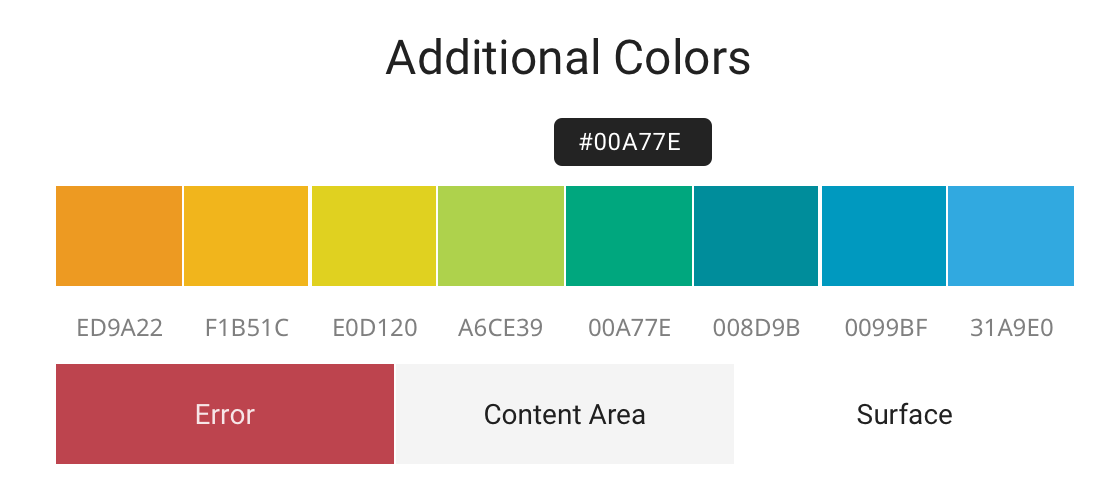
I designed the NUI color system from first principles: primary, secondary, semantic, and neutral scales structured as design tokens. Every downstream component and theme inherits from this system, making color decisions scalable and consistent across the full portfolio.
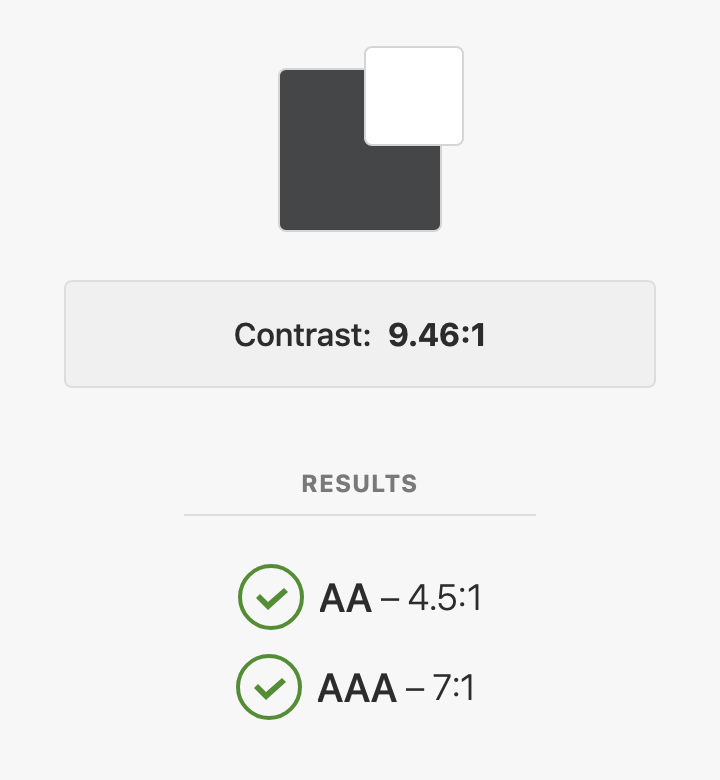
Check Contrast
Accessibility compliance was designed in at the system level, not reviewed at the end. Every color token in NUI was validated against WCAG standards. Compliance became a guarantee of the system, not a responsibility of individual teams.

Doc Site
The Doc Site is the system’s source of truth and its primary adoption driver. I led its design with one goal: make it impossible to misuse the system. Clear enough for new contributors, deep enough for teams building complex enterprise products. Documentation is infrastructure. I treated it as such.


Success
Impact: NUI Library solved an organizational problem most stakeholders hadn't named yet, design fragmentation at the portfolio scale. The system reduced duplicated design and engineering work across teams, established a single visual language across NCR's software portfolio, and created the shared infrastructure that made cross-team product development significantly more efficient. It remains the standard for new products built inside NCR.