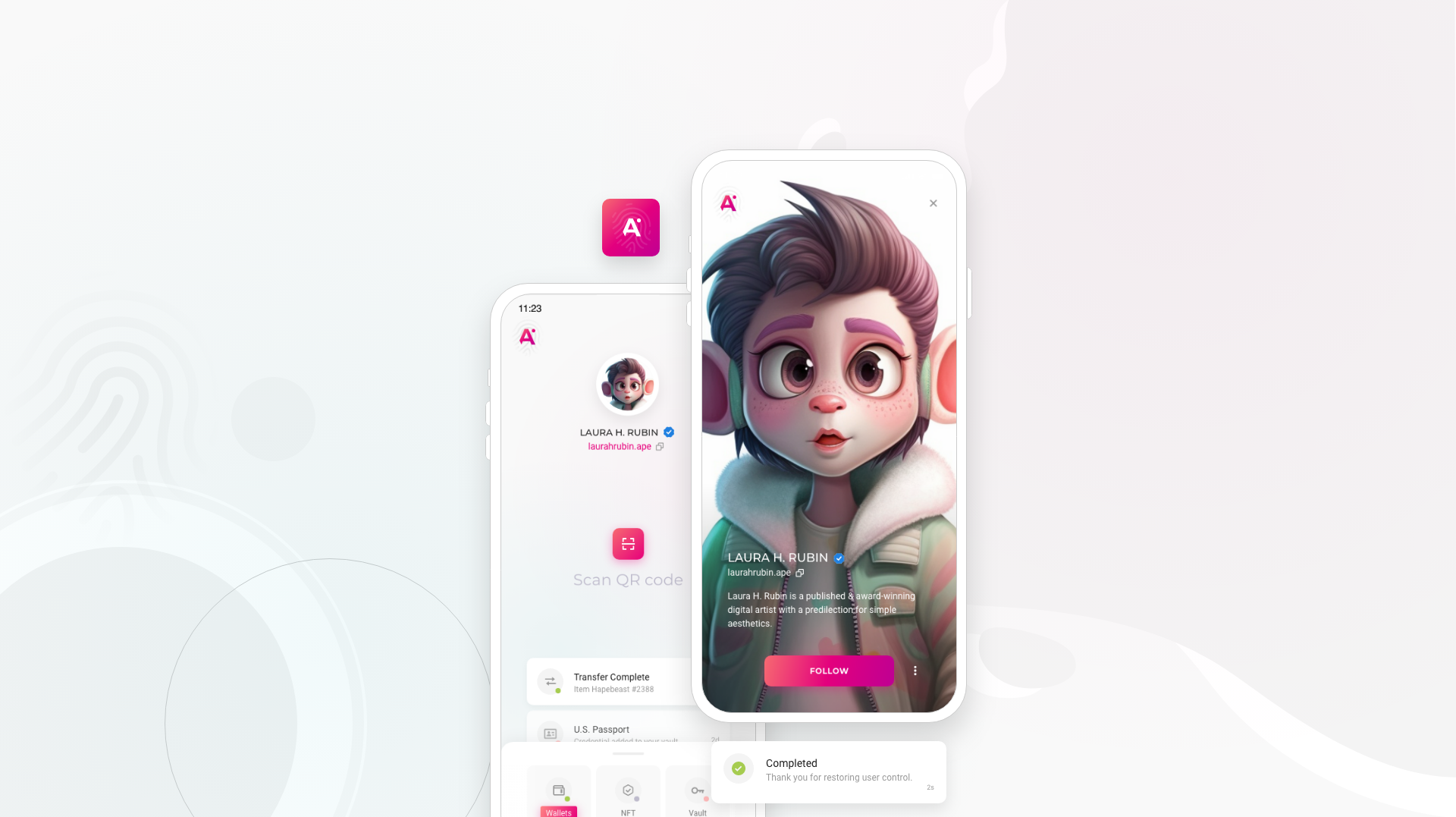

ApenoticdApp
My Role
As founding Product Designer, I owned the product from zero — concept, brand identity, product architecture, UX system, and interface across Android and iOS. I led the design-to-engineering handoff and managed five engineers through MVP delivery. This was full product ownership in a zero-to-one context: no existing system, no prior direction.
You can view the click-through prototype and pitch deck here.
The problem
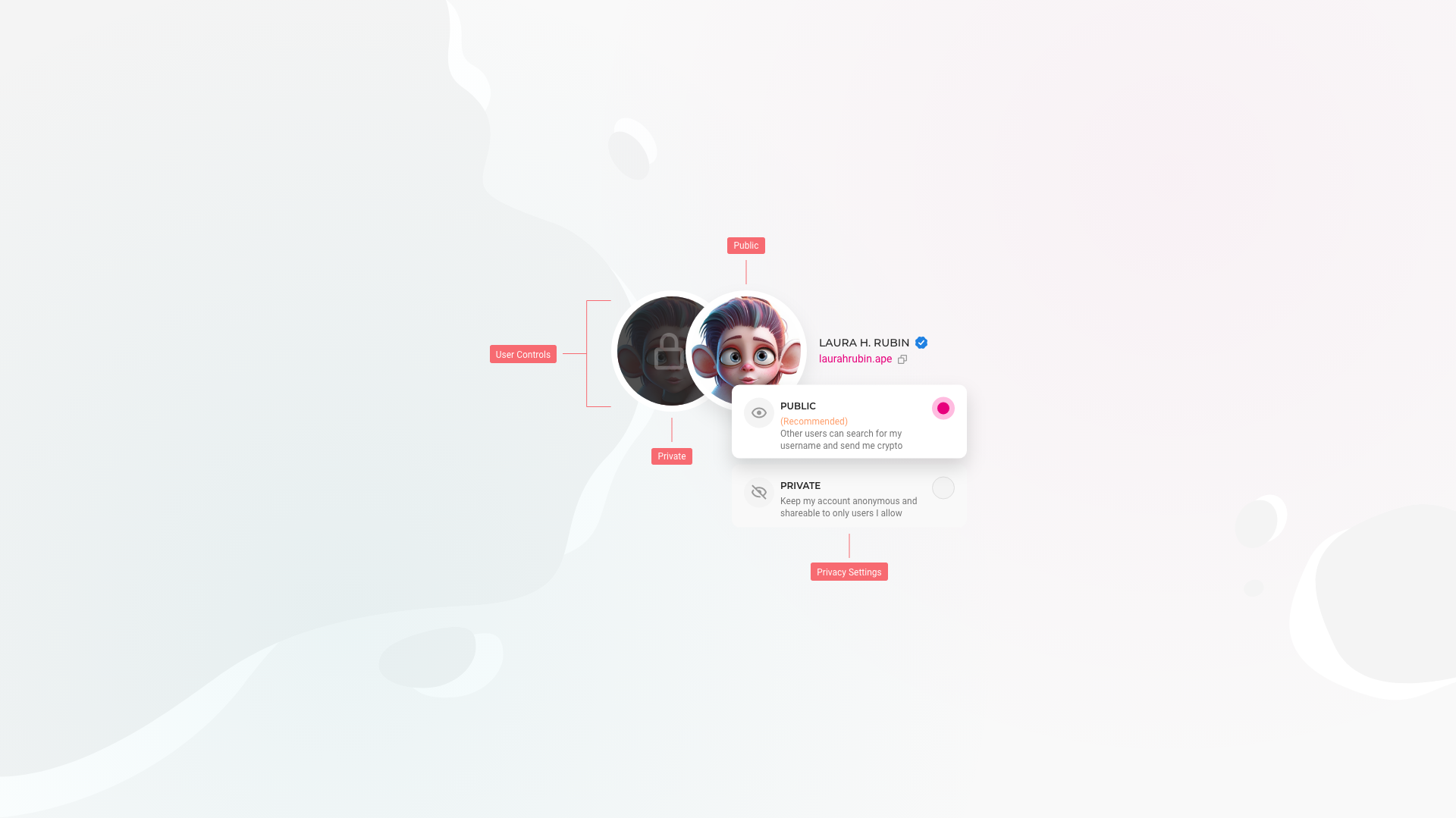
Centralized platforms control user identity — and exercise that control arbitrarily. Shadow bans, blocks, permanent removal with no recourse. I led the design of the first decentralized profile on the market: a product that returns identity ownership to users and removes platform authority from the equation entirely.
Promo Video: Click on the video below to start playing.
Challenges
Web3 design isn't interface design — it's trust architecture. I defined interaction models for a product where the underlying technology (multi-chain wallets, IPFS, DID) had to be completely invisible to the user. Every feature required a new paradigm. The constraint: no existing design pattern library for this problem space.
- Manage Multi-chain Wallets (Crypto/Fiat)
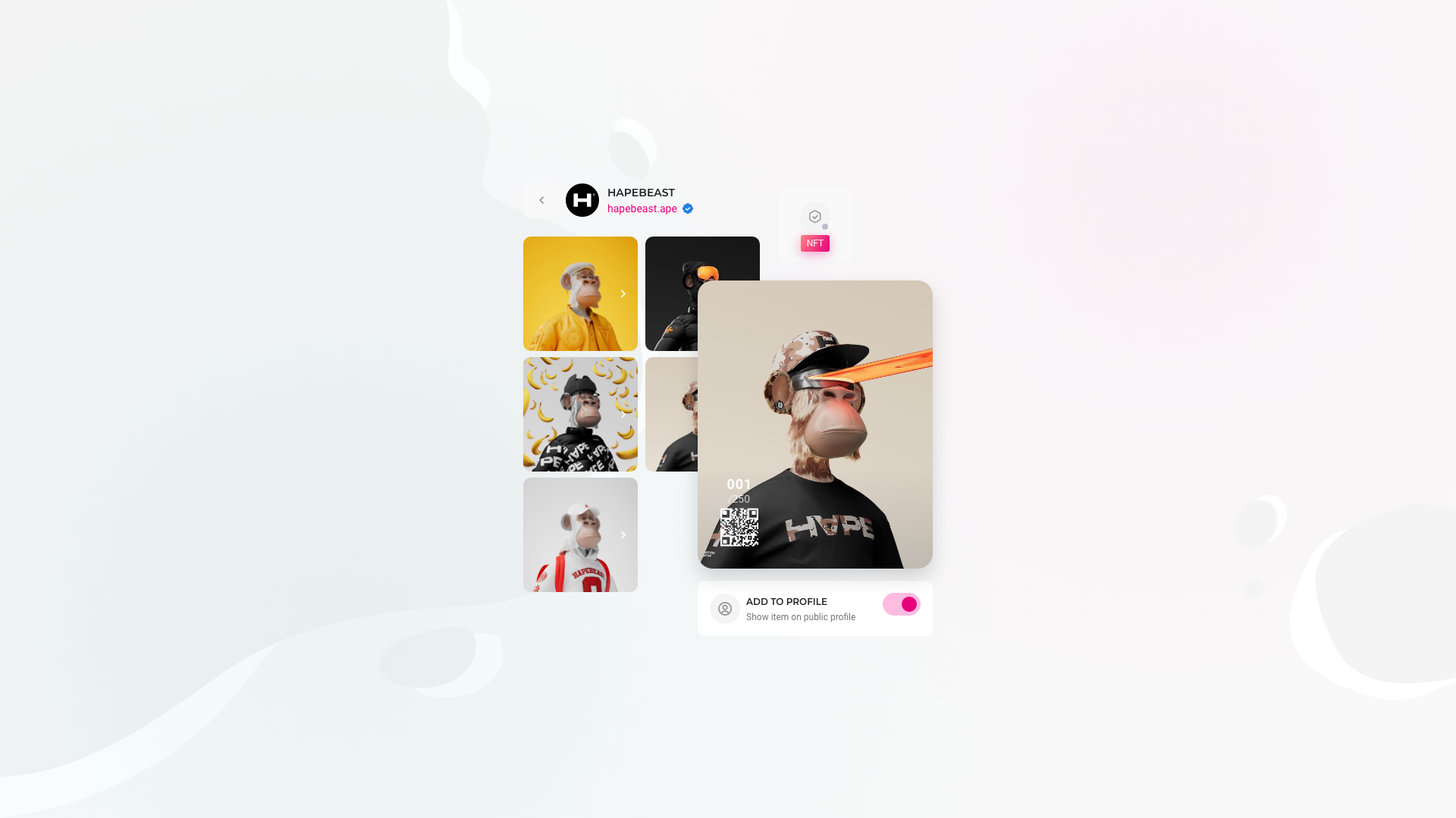
- Unified NFT Gallery
- Tamper-proof Vault (DID/IPFS)
- Social Links
- Tickets & Events
- Games
- Direct Messaging
Features
What is Apenotic?
Apenotic is a unified Web3 platform — one decentralized profile that manages blockchain assets, digital identity, NFTs, events, and social connections across chains. The product gives users complete autonomy over their digital presence: no platform authority, no single point of failure. Learn more
Branding
The name of the product is a combination of:
Ape + Hypnotic = Apenotic.

The logo system encodes product meaning: the Montserrat "A" anchors the wordmark; a fingerprint represents decentralized digital identity — the product's core promise; and a small circle signifies the moon, a symbol of aspiration native to the crypto culture the platform is built for.
Behind the name
The word "APE" has become a symbolic tribute to two major historical factors in both the stock market and crypto world with NFTs. One reason is that some investors in online communities adopted the term "apes" as a symbol of their collective effort to challenge the established financial system and fight back against institutional investors who had been shorting the stocks. For these retail investors, the term "apes" has become a badge of honor, representing their solidarity and shared mindset.
Another reason for the use of the term "ape" is related to the artistic work of major artists in the NFT space. The monkey or ape character, made popular by Yuga Labs and its collection of the Bored Ape Yacht Club, has created a huge hype and has hypnotized the world. Even celebrities have started purchasing them for large amounts of money. The use of the ape character in NFTs has become a symbol of creativity and originality, reflecting the growing importance of the NFT market in the world of art and collectibles.
UX Process
With full product direction ownership, I moved directly from concept to high-fidelity in Adobe XD — skipping low-fidelity passes and building the prototype in parallel with the system. User flow documentation was structured to serve the engineering team as implementation reference, not as a design artifact.
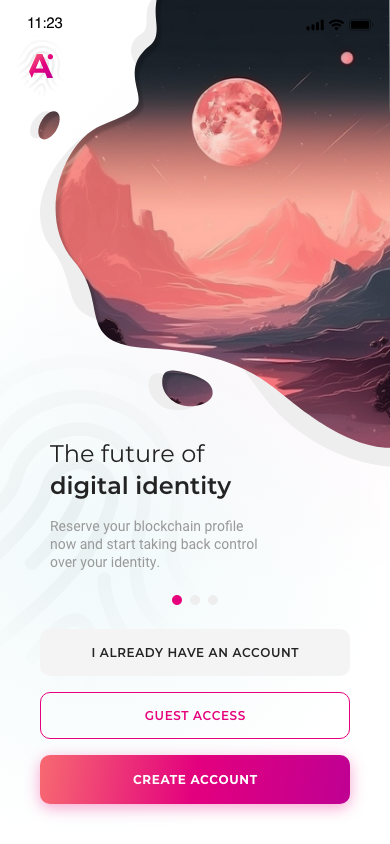
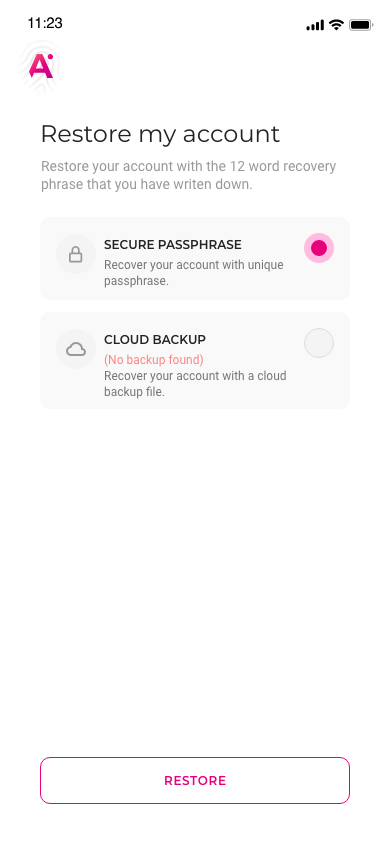
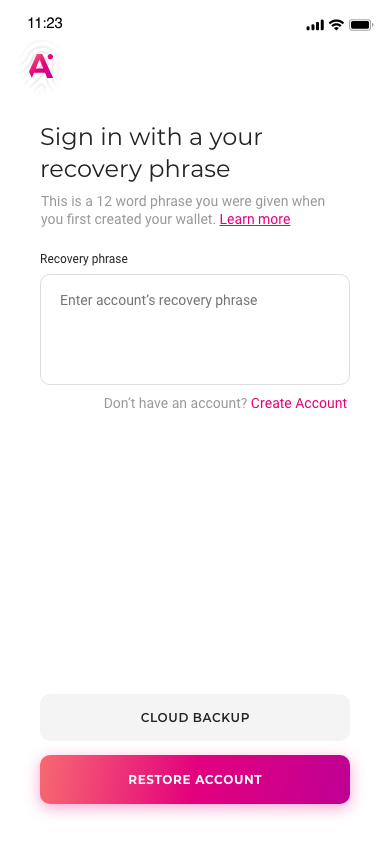
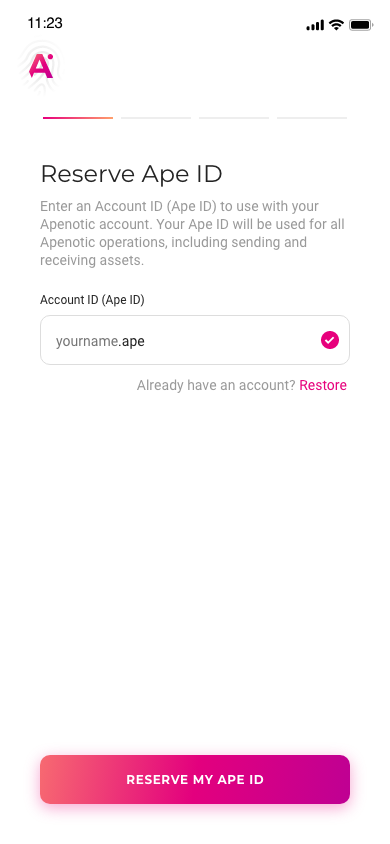
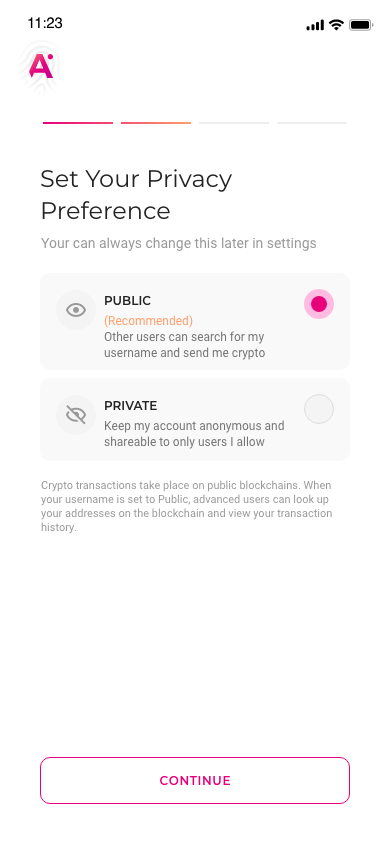
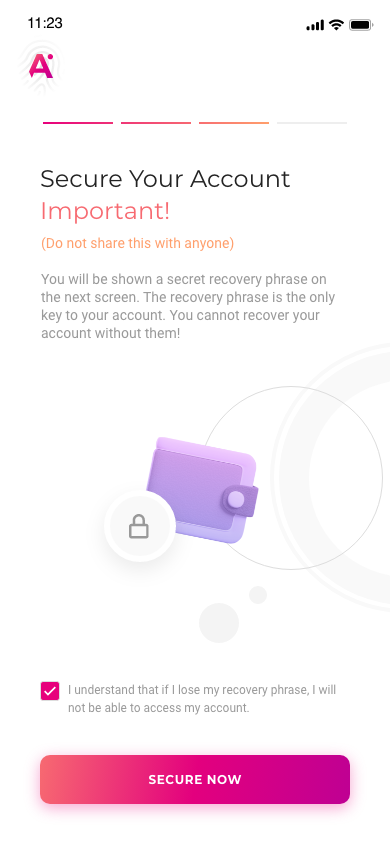
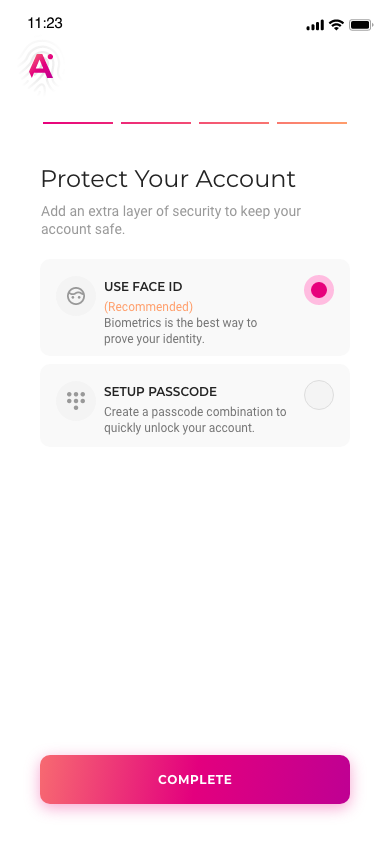
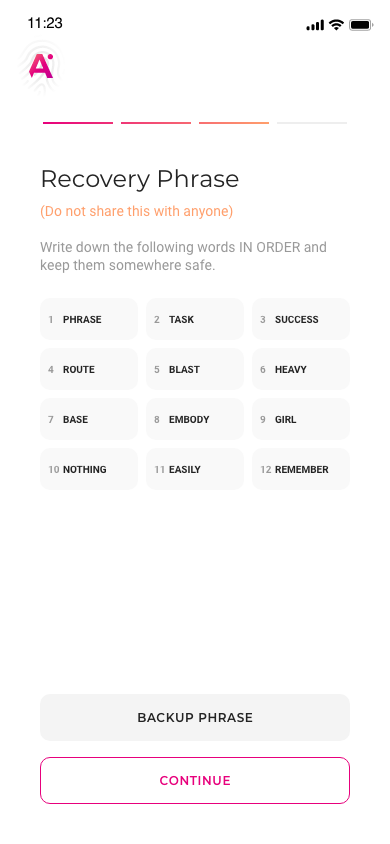
User flow created inside FigJam. You can view the click-through prototype and pitch deck here
The FigJam flow maps document the full product architecture: multi-chain wallet logic, identity verification, NFT gallery, and event flows — all designed to surface as a single, coherent interaction system with no visible complexity.
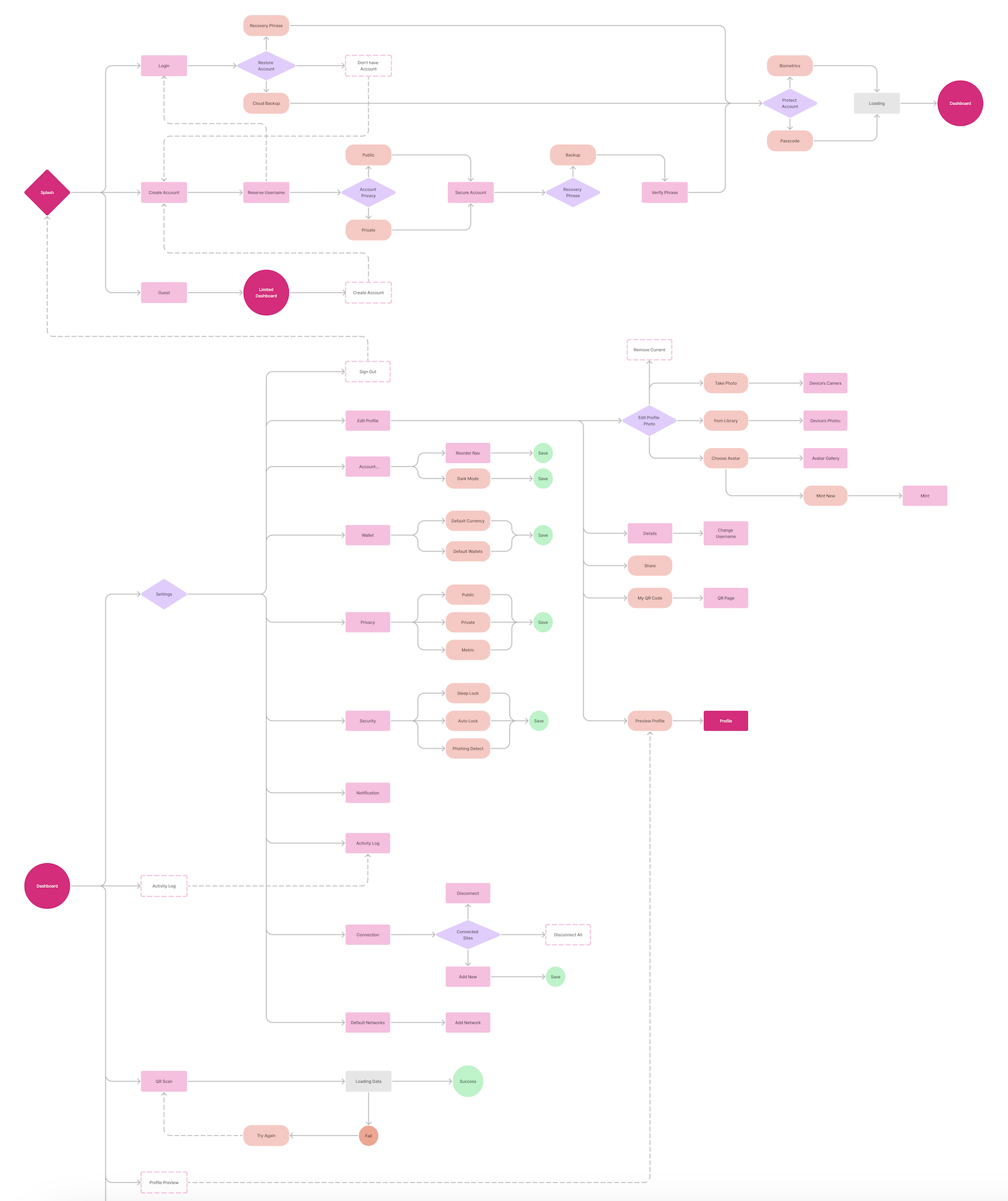
Only a partial view of the complete user flow is being displayed for intellectual property protection reasons.
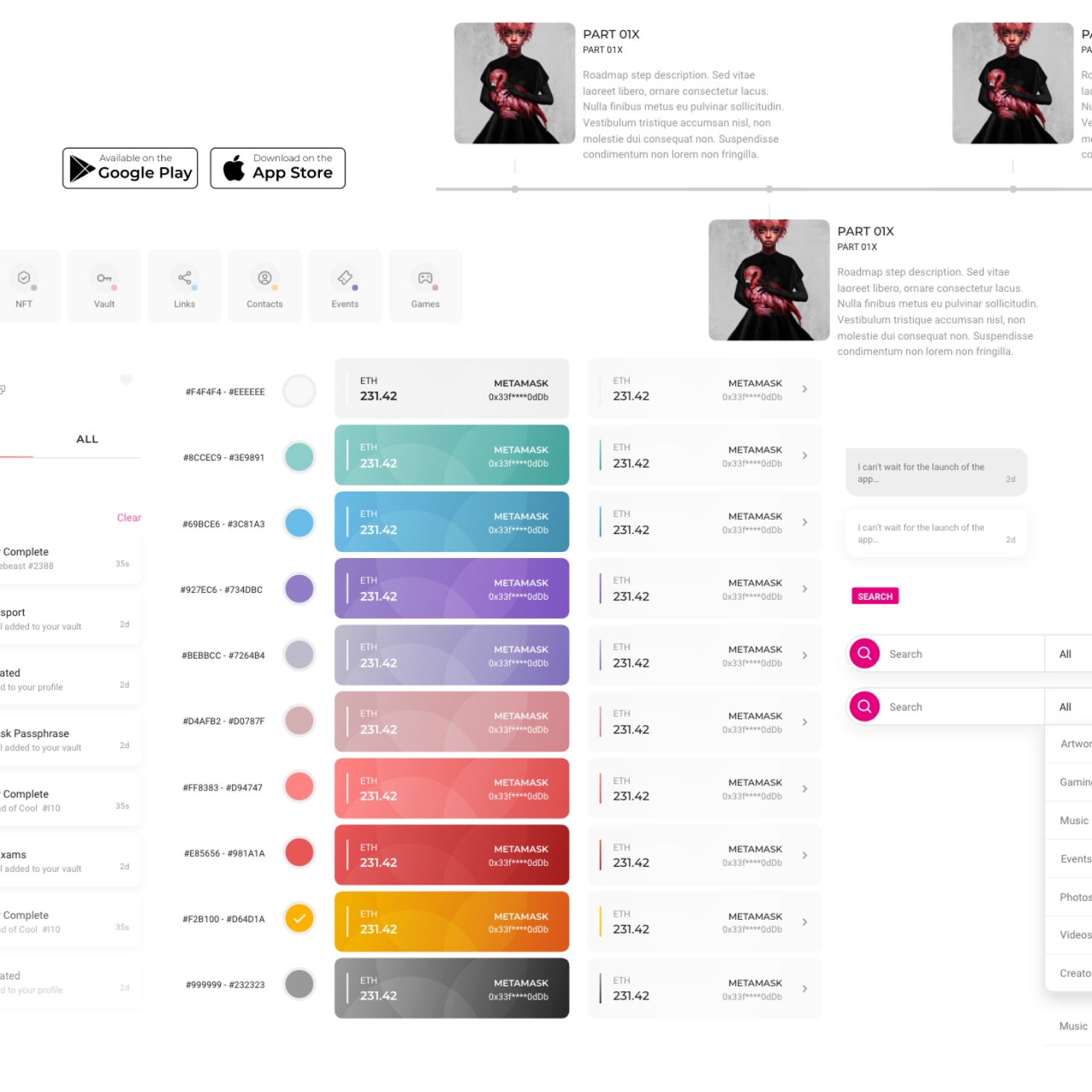
The Component Library
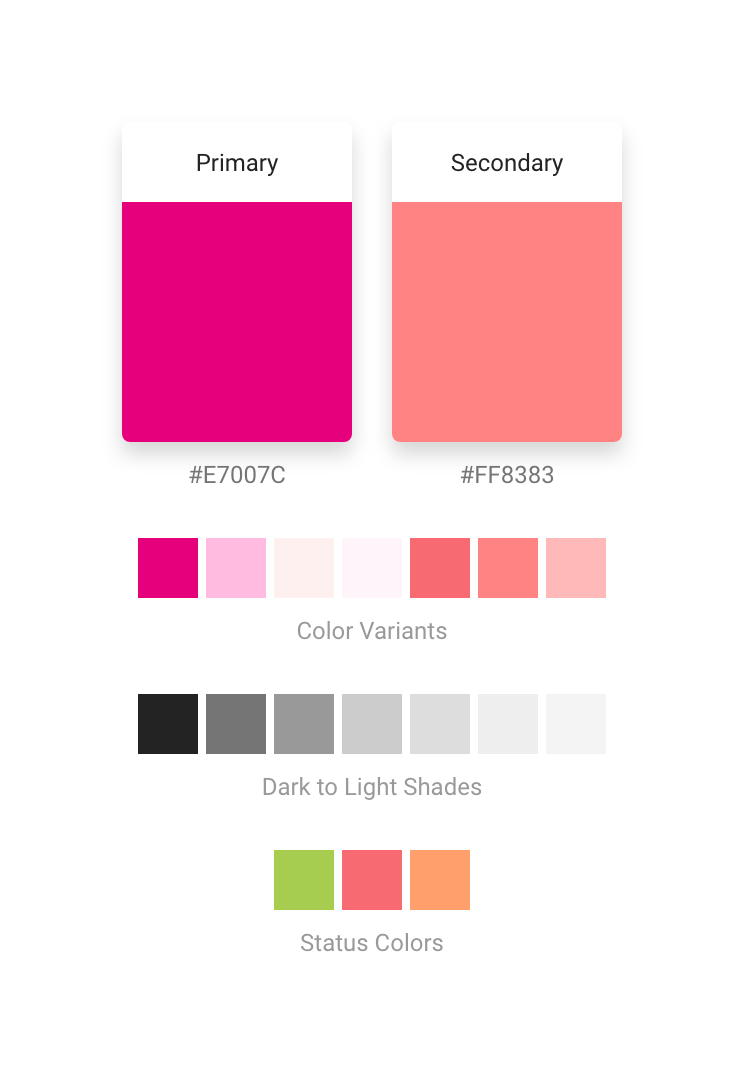
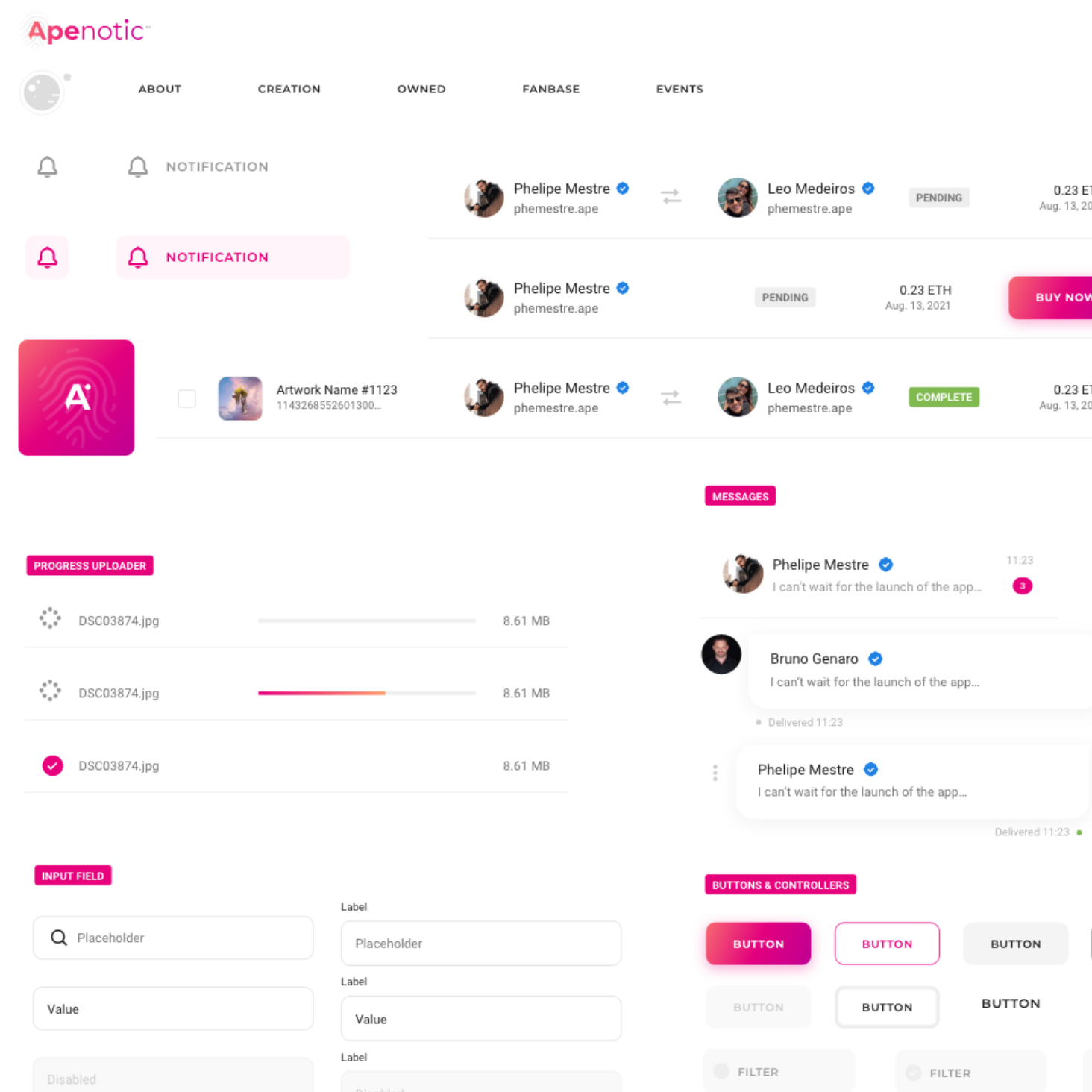
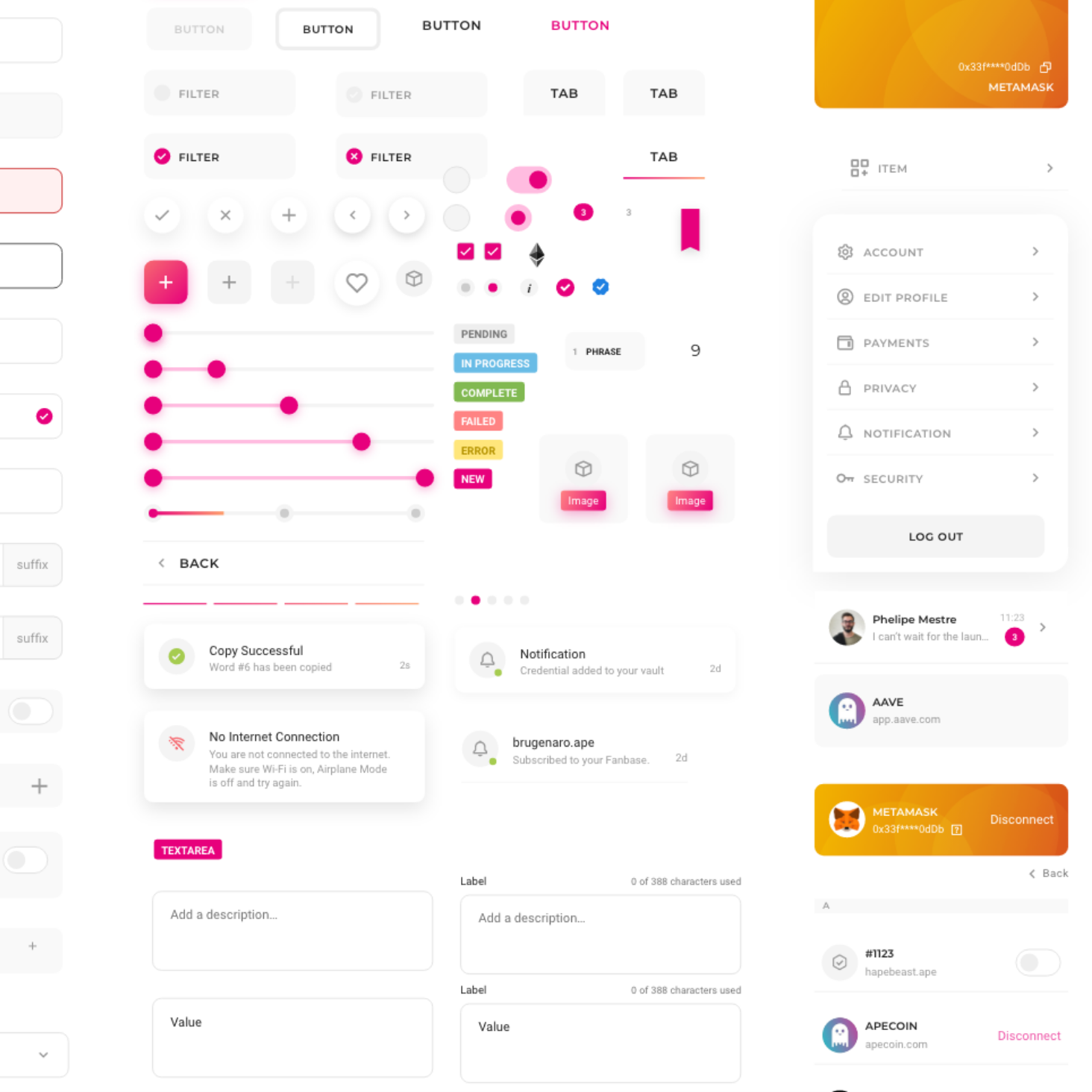
I built Apenotic's component library as the handoff contract between design and engineering. Every component defined, documented, and structured for unambiguous implementation. Spec sheets eliminated interpretation gaps — five engineers could implement from the system without design present in the room.
AI Art Character Creation
I used AI-driven creative direction — iterative prompt engineering in Midjourney — to develop Apenotic's brand character. This was AI applied as a design tool: I defined aesthetic constraints, iterated on outputs, and directed the model toward a specific visual identity. Not generated content — directed output.
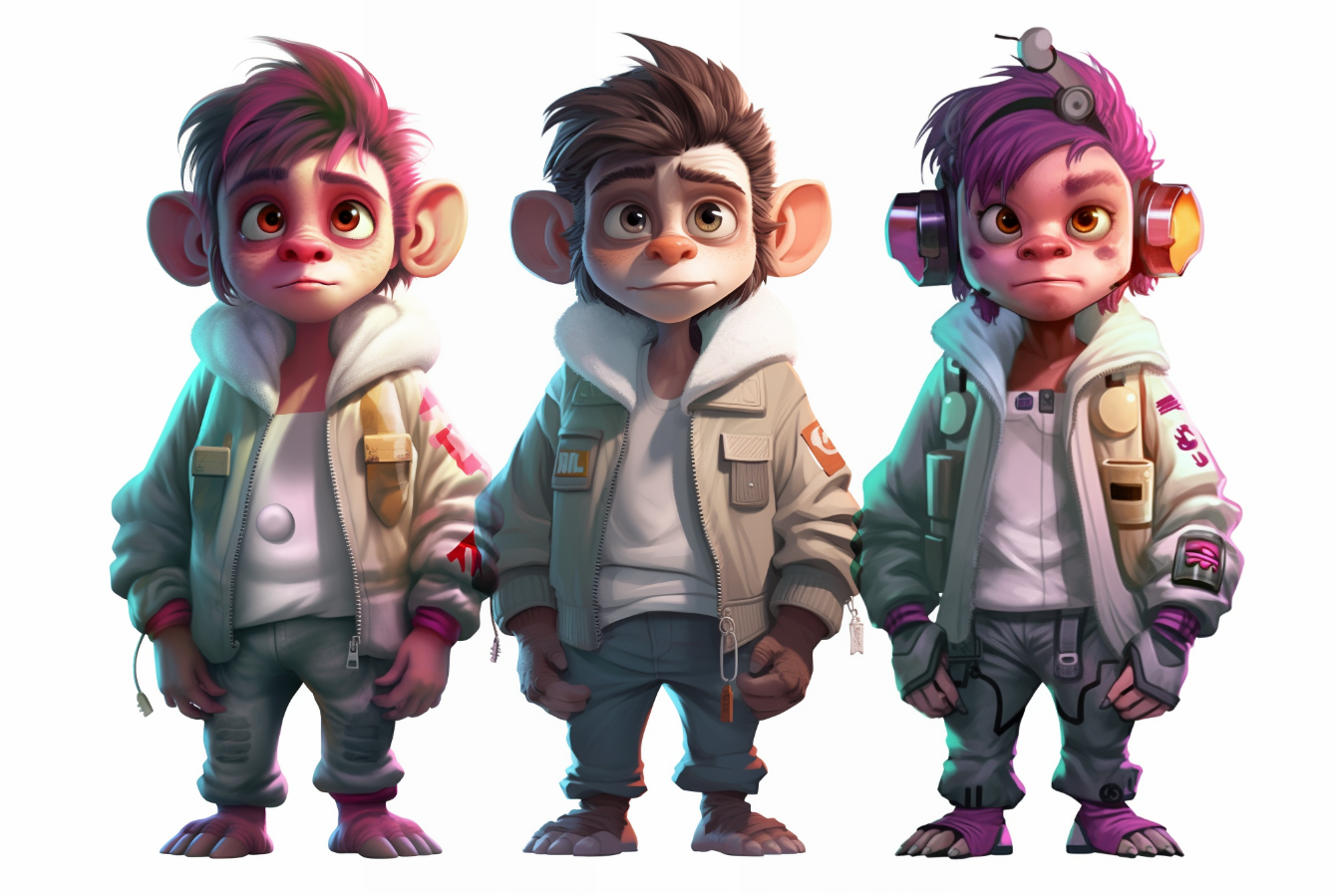
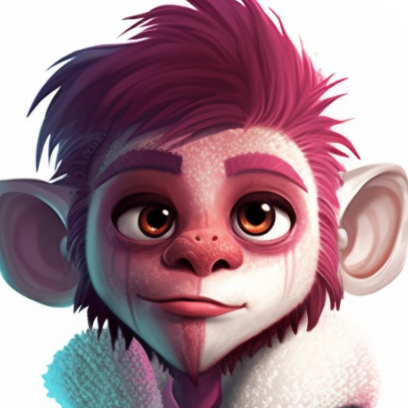
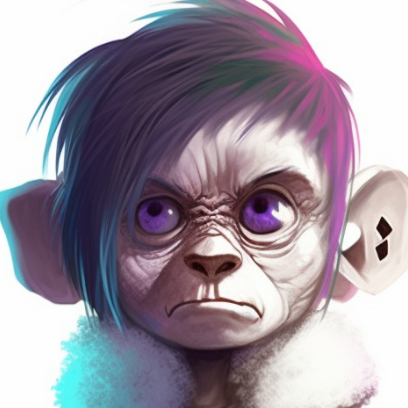
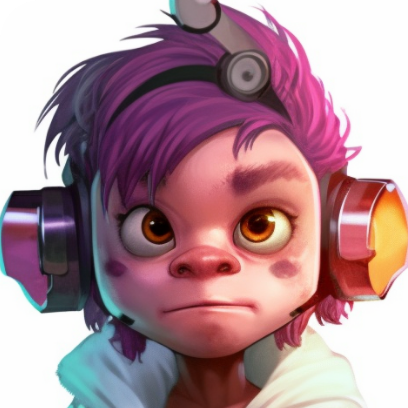
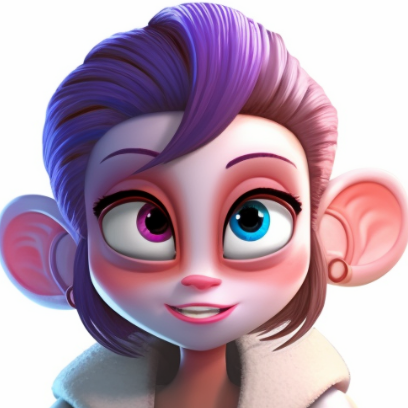
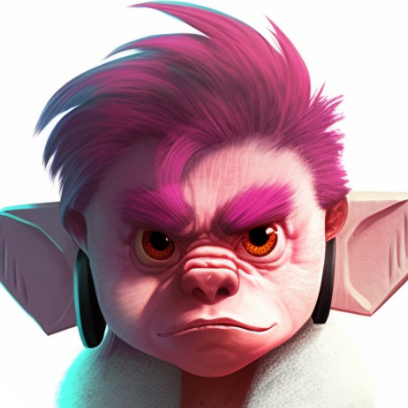

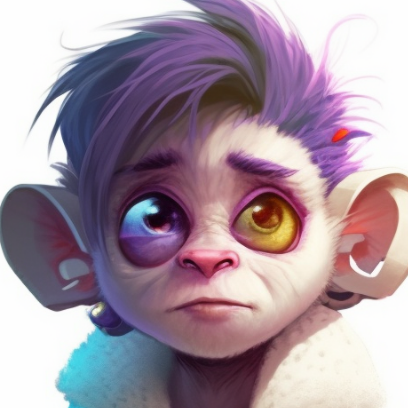
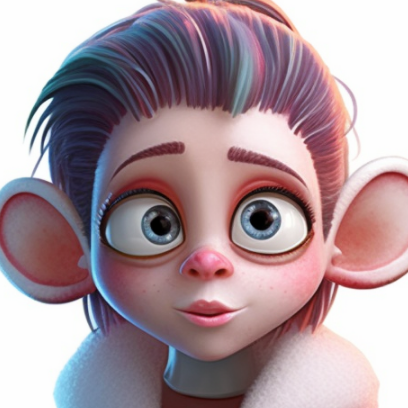
AI character designed in Midjourney
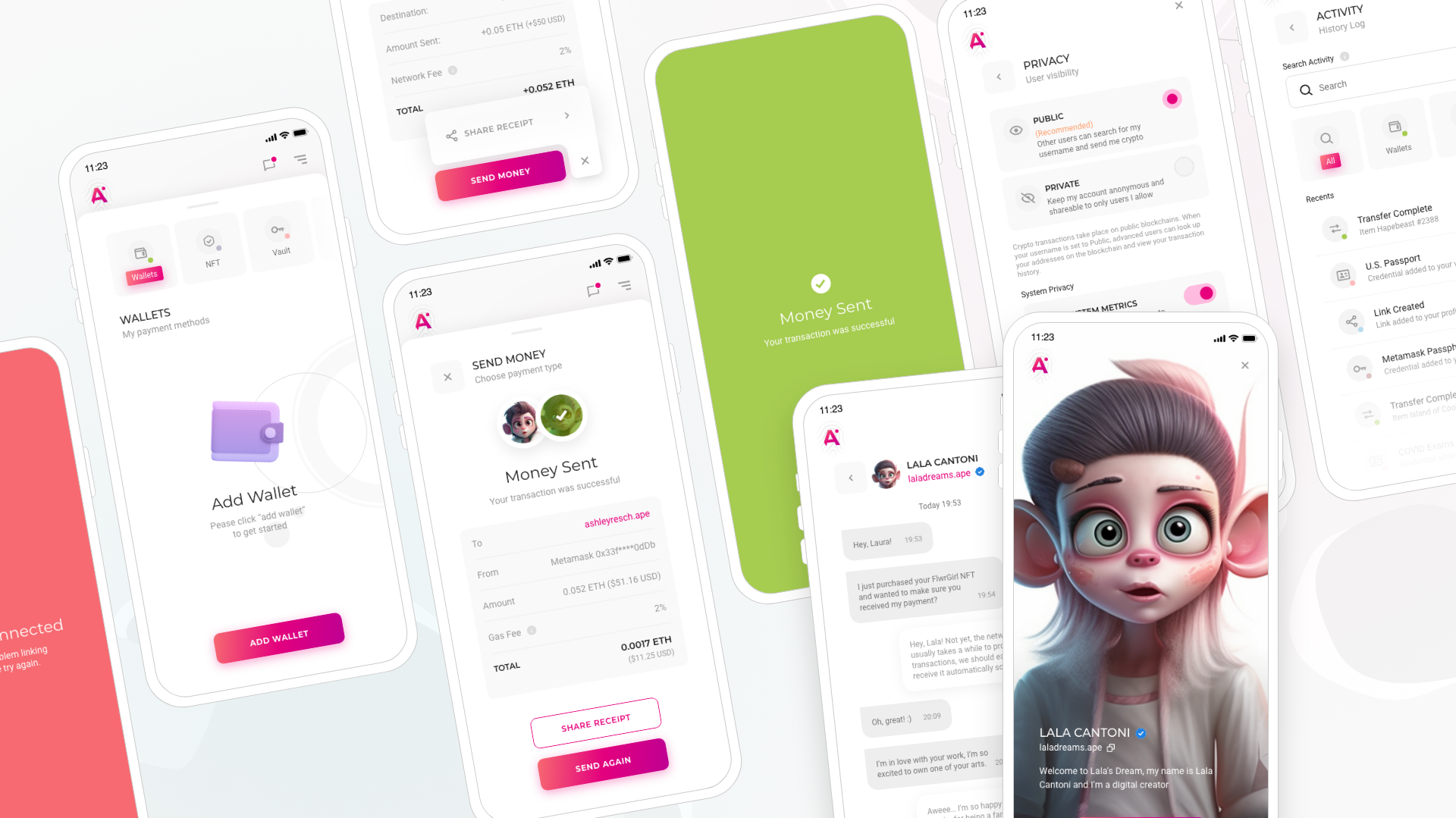
Conclusion
Impact: Apenotic demonstrates full product ownership at the design level — concept, brand, system architecture, and team management. The component library enabled a five-engineer team to build from design without ambiguity. The interaction model established the product's competitive advantage: Web3 capability with Web2 usability. Positioned for AI-driven personalization as the platform scales to new chains and user contexts. Learn more